 comparison
Is Country Ham Worth the Price? A Fair Value Breakdown
Table of Contents
- What You're Actually Paying For: Country Ham Worth the Price
- Country Ham vs. City Ham: Why the Price Difference Exists
- Why Is Country Ham So Salty? Understanding the Curing Process
- How to Cook Country Ham and Maximize Your Investment
- Country Ham Serving Size Per Person and Cost Per Serving
- Who Should Buy Country Ham, and Who Should Skip It
- The Verdict: Is the Premium Worth It?
- Frequently Asked Questions
Last Updated: October 11, 2026
What You're Actually Paying For: Country Ham Worth the Price
When you buy country ham, you're investing in months of careful curing, regional tradition, and a flavor profile mass-produced hams cannot replicate. At Padow's Hams Co., we've sourced authentic Virginia country ham since 1936. The real question isn't whether country ham costs more, it does, but whether is country ham worth the price and delivers genuine value for your table.
Country ham represents a completely different product category from the city ham you grab at the supermarket. The difference starts with how it's made. According to USDA meat curing standards, country ham undergoes a salt-cure process that draws out moisture and concentrates flavor over an extended period. Our distributor in Virginia follows the traditional Virginia salt-cure recipe, curing hams for three months. This extended curing creates a denser, more intensely flavored product with a distinctive dry texture and complex salty-smoky character that cannot be rushed or replicated with quick-brine methods.
The price reflects this time investment, the quality of the pork, and the skill required to cure it properly. But understanding what you're paying for helps you decide if it's the right choice for your needs.
Country Ham vs. City Ham: Why the Price Difference Exists
Country ham and city ham occupy opposite ends of the ham spectrum, and the price gap reflects fundamental differences in production method and flavor intensity.
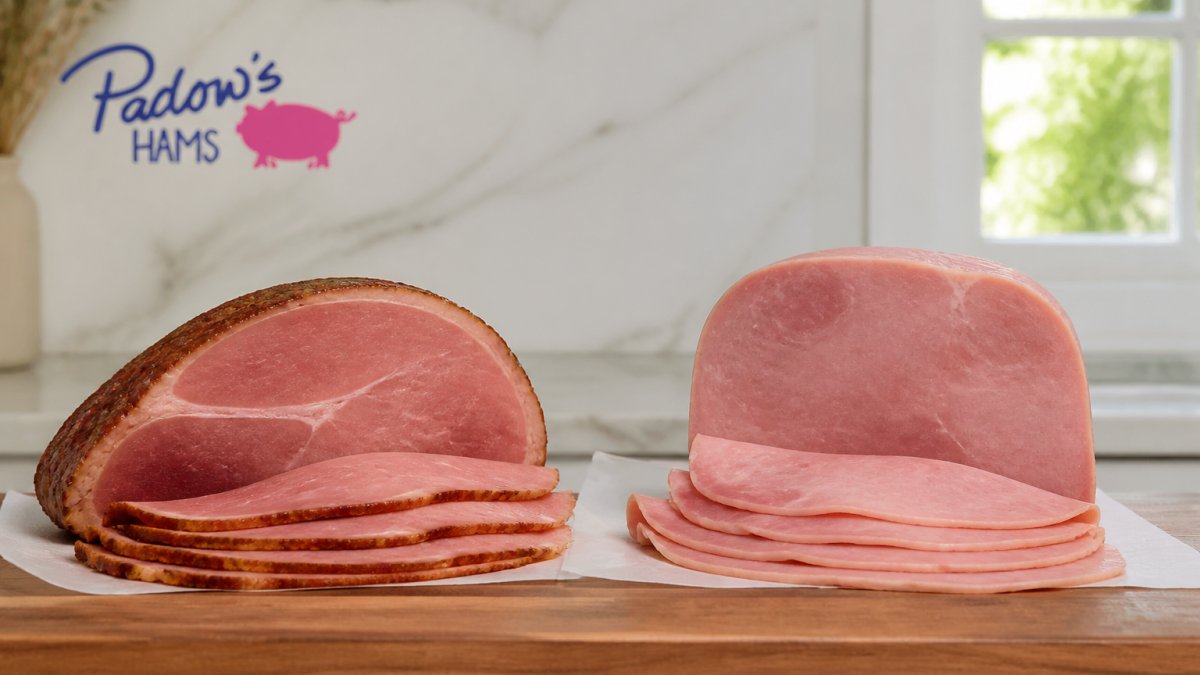
City ham is brined, not cured. Producers inject a salt-water solution directly into the meat in hours rather than months, adding moisture and creating a milder, sweeter flavor. It's significantly cheaper because the production timeline is compressed and standardized for mass production.
Country ham uses the old-world dry-cure method: salt is applied to the exterior, drawing out internal moisture over weeks and months. This creates a denser texture, deeper flavor, and shelf-stable product. The extended aging, monitoring skill, and yield loss from moisture removal all contribute to higher production costs.
Country ham delivers an intense, salty, smoky profile with layers of complexity; city ham tastes mild and sweet by comparison. Neither is objectively "better", they serve different purposes. If you want concentrated, traditional flavor, city ham will feel bland.
Why Is Country Ham So Salty? Understanding the Curing Process
The saltiness of country ham surprises many first-time buyers. It's not a flaw, it's the whole point, but understanding the mechanism and the trade-offs helps you decide if it fits your diet and preferences.
How Salt Curing Works
Salt is the primary preservative in country ham. Before refrigeration, salt curing was the only reliable way to preserve meat for months or years. The salt draws moisture from the ham, creating an environment where bacteria cannot survive. Our Virginia distributor cures hams for three months using the traditional Virginia salt-cure recipe, allowing salt to penetrate deeply and concentrate both salt flavor and smokiness. This is why country ham tastes distinctly salty compared to any other ham.
Sodium Content and Dietary Considerations
Country ham is high in sodium.
Country ham falls in the middle-to-high range among cured meats.
The Practical Trade-Off: Portion Size and Flavor Intensity
Because country ham is intensely salty and flavorful, most people eat smaller portions than milder meats. A 1-ounce serving delivers more flavor satisfaction than city ham, so you naturally eat less. When you account for typical serving sizes, 2 to 3 ounces for breakfast, 0.5 to 1 ounce as a flavoring ingredient, the total sodium per meal often falls within reasonable limits for most people.
However, if you're on a sodium-restricted diet, country ham is not a practical choice without medical clearance. The intensity and saltiness cannot be significantly reduced without losing the product's defining characteristics.
Desalting and Reducing Sodium
Desalting before cooking reduces sodium content. Soaking slices in water for 1-2 hours or a whole ham overnight removes salt from the surface and outer layers. Desalting does not eliminate saltiness entirely but brings the flavor into a more moderate range, creating a more balanced eating experience when the ham is a main component of a meal.
Who Should Reconsider
If you're on a sodium-restricted diet prescribed by a physician, country ham is not a practical choice. If you have a strong preference for mild or sweet flavors and find salty foods unpleasant, country ham will disappoint you regardless of desalting. If you're buying for guests with unknown dietary restrictions, city ham is the safer choice.
If you appreciate bold, salty, smoky flavors and your diet accommodates moderate sodium intake, country ham's saltiness is not a drawback, it's the source of its distinctive character and its ability to flavor an entire dish with just a small amount of meat.
How to Cook Country Ham and Maximize Your Investment
Country ham preparation differs from city ham because of its density and salt content. The cooking method you choose determines whether you're maximizing your investment or wasting potential.
Desalt the ham before cooking by soaking slices or the whole ham in water for several hours or overnight, changing the water periodically. This reduces saltiness while retaining distinctive flavor. After desalting, you can bake, boil, or pan-fry the ham depending on your preference.
Baking is the most popular method for whole hams. Wrap the ham in foil, place it in a 325-degree oven, and cook slowly until heated through. Many cooks score the surface and add a glaze, brown sugar, mustard, or honey-based, during the last portion of cooking to balance saltiness and create a caramelized exterior.
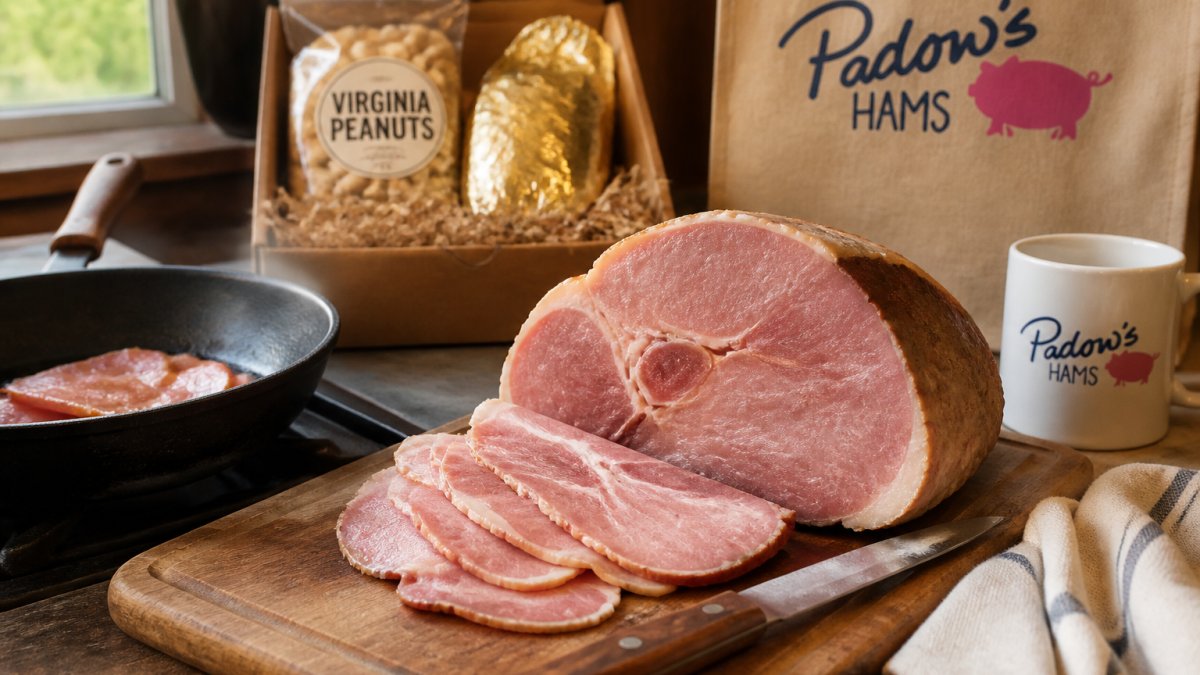
Pan-frying thin slices is ideal for breakfast. High heat renders the fat and creates crispy edges while the interior remains tender, requiring minimal preparation.
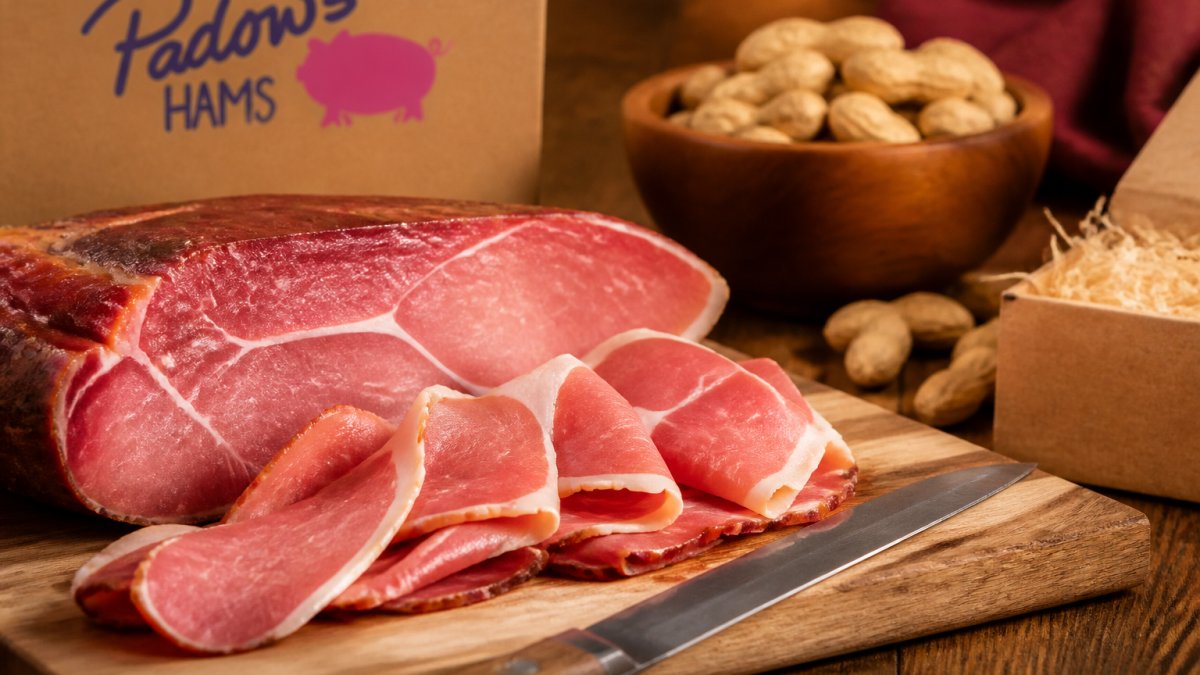
Cook country ham low and slow. The dense texture and concentrated flavors benefit from gentle heat rather than high-temperature cooking.
Country Ham Serving Size Per Person and Cost Per Serving
Understanding portion sizes and calculating cost per serving transforms the value question from abstract to concrete. This is where country ham's premium price either justifies itself or reveals itself as unnecessary.
A whole country ham typically yields several servings depending on size and bone content. Most people eat smaller portions of country ham per serving, significantly less than typical for other ham types. Country ham is often used as a component in a meal rather than the centerpiece, two or three thin slices alongside eggs and biscuits, or diced into beans or collard greens. This versatility stretches the investment further.
| Serving Context | Portion Size | Servings Per Ham | Best Use |
|---|---|---|---|
| Breakfast side | 2-3 slices | 12-16 | Eggs and biscuits |
| Main course | 3-4 slices | 8-12 | Holiday centerpiece |
| Ingredient/flavoring | 2 ounces diced | 15-20 | Soups, beans, greens |
| Charcuterie board | 1-2 slices | 20+ | Appetizer or snack |
How to Calculate Your Cost Per Serving
Cost per serving depends on the ham's purchase price, usable weight after bone and trimming loss, and how you use it. A bone-in country ham loses some of its weight to bone and inedible trim.
Determine your serving size based on use: breakfast side, main protein, or flavoring ingredient. When country ham functions as a flavoring agent or component rather than the main protein, the cost per serving often falls below that of city ham, bacon, or other premium proteins.
Comparison to Other Premium Proteins
Country ham's value becomes clearer when compared to similar products.
Country ham's advantage emerges when used as a component, flavoring, or breakfast protein rather than as a direct replacement for city ham.
Who Should Buy Country Ham, and Who Should Skip It
Country ham is not for everyone, and recognizing whether it fits your needs prevents buyer's remorse.
Buy country ham if:
- You appreciate intense, salty, smoky flavors
- You're hosting a traditional Southern meal or holiday feast
- You want a shelf-stable product that doesn't require immediate refrigeration
- You're buying a corporate gift and want something distinctive and memorable
- You value regional tradition and the story behind your food
Skip country ham if:
- You prefer mild, sweet ham flavors
- You want a product you can unwrap and serve immediately with no preparation
- You're on a sodium-restricted diet
- You're buying for guests whose palates tend toward conventional supermarket foods
- You prioritize lowest price over quality
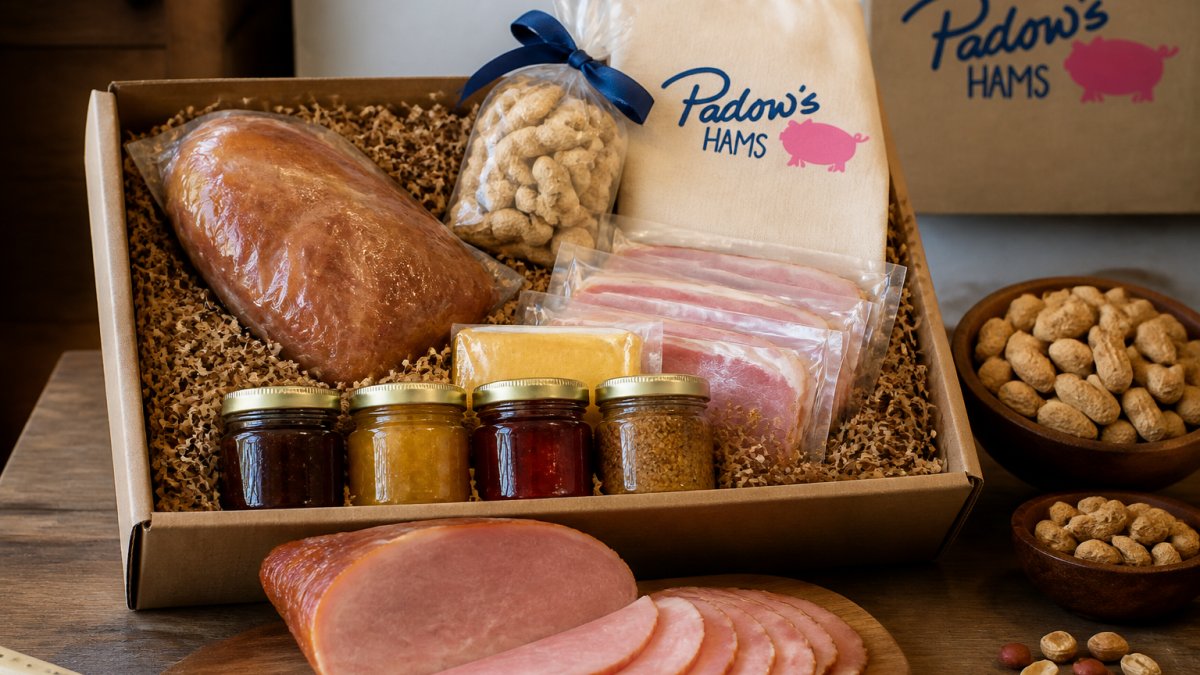
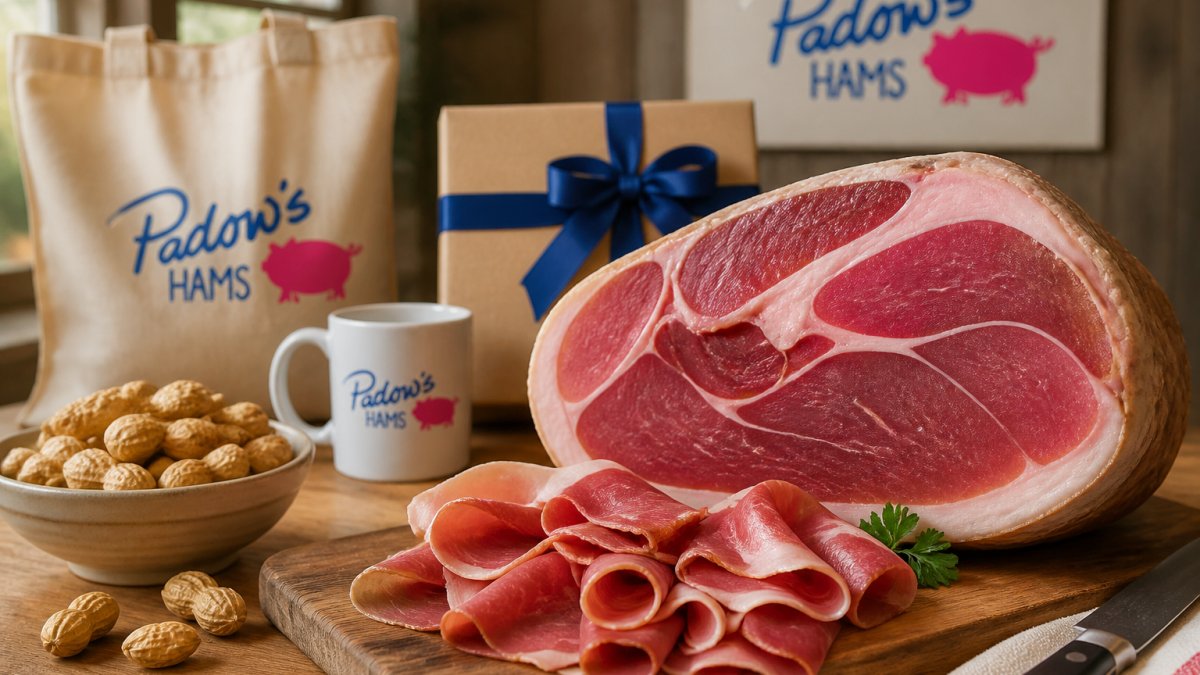
Country ham appeals to someone who values tradition, appreciates bold flavors, and understands that premium products require investment. Padow's Hams Co. serves customers seeking authentic Southern tradition for holiday entertaining and corporate gifting. We also carry Virginia peanuts and gift boxes to build a complete gift package.
The Verdict: Is the Premium Worth It?
Whether is country ham worth the price depends on understanding what you're buying and how to use it properly. The value rests on authenticity, flavor intensity, and versatility. You're paying for a product that requires skill to produce, delivers a distinctive eating experience, and connects you to a culinary tradition spanning centuries.
If you're comparing country ham solely on price against supermarket alternatives, it will always lose. But that's the wrong comparison. Country ham competes against other premium proteins and specialty foods. In that category, it delivers genuine value. Understanding the nuances of premium food pricing requires a similar level of scrutiny when evaluating the investment required for high-quality cuts of steak.
The real measure is whether the product aligns with your values and your table. If you appreciate bold flavors, want something memorable for a special occasion, or seek an authentic connection to Southern culinary heritage, the investment pays dividends.
Padow's Hams Co. offers products cured using traditional methods that have served customers for over 85 years. Our Virginia salt-cure recipe and three-month curing process deliver the genuine flavor and quality that justify the premium. Whether you're planning a holiday feast, sending a corporate gift, or experiencing authentic Southern tradition, our hams bring that experience directly to your table.
Frequently Asked Questions
Why does country ham cost more than regular ham?
Country ham is salt-cured for three months using traditional Virginia methods, which requires time, skill, and aging space. The dry-curing process concentrates flavor and creates the distinctive intensity you pay for. Supermarket hams are brined (wet-cured) in days, not months. You're paying for craft, shelf stability, and a flavor profile that can't be rushed.
How much country ham should you serve per person?
Plan for smaller portions per person for a main course, or if serving as part of a larger spread. Because country ham is intensely flavored and often served sliced thin, a little goes further than supermarket ham.
What's the difference between country ham and city ham?
Country ham is salt-cured dry for months, resulting in a dense, salty, intensely smoky flavor. City ham is brined wet for days, staying moist and mild. Country ham requires desalting before cooking; city ham does not. Country ham's longer shelf life and concentrated flavor make it ideal for slicing and serving at room temperature, while city ham is typically heated and carved warm.
Why is country ham so salty, and how do you reduce it?
The salt is the preservative, it's what allowed country ham to be stored without refrigeration for generations. To reduce saltiness, soak the ham in water for 12 to 24 hours before cooking, changing the water every 6 hours. Some people soak slices individually. Soaking removes surface salt without destroying the curing that gives the ham its character.
Is country ham worth buying for a holiday meal?
Yes, if you value tradition, distinctive flavor, and a centerpiece that impresses. It's not about convenience, it requires planning and desalting. But if you want authentic Southern flavor, a ham that slices beautifully, and something your guests will remember, the investment delivers. For busy cooks or mild-flavor preferences, supermarket ham may be the better choice.
Country ham represents a deliberate choice, not a default purchase. It's worth the price when you're buying it for the right reasons and using it in ways that honor its distinctive character. If you're ready to experience authentic Virginia country ham, explore our selection at Padow's Hams Co. and discover why families and businesses have trusted us since 1936.