 comparison
Artisanal vs. Supermarket Ham: A Complete Comparison
Table of Contents
- Artisanal vs. Supermarket Ham: Key Differences at a Glance
- Curing Methods: Wet-Cured, Dry-Cured, and Brine-Injected
- Flavor Profile and Texture: What Sets Them Apart
- Best Mail Order Country Ham: What to Look For
- How to Cook a Country Ham: Preparation and Serving
- Ingredients, Additives, and Nutritional Considerations
- Cost-Per-Serving Analysis and Value Proposition
- Frequently Asked Questions
Last Updated: September 28, 2026
Artisanal vs. Supermarket Ham: Key Differences at a Glance
When planning a holiday feast or corporate gift, understanding artisanal vs supermarket ham matters. An artisanal ham versus supermarket ham comparison reveals stark differences in curing methods, flavor, and value. At Padow's Hams Co., we understand why this distinction matters to families and hosts who want something genuinely special on their table.
Artisanal hams are cured using time-honored methods that develop deep, complex flavor over months. Supermarket hams use faster, industrial techniques designed for consistency and shelf stability rather than taste. The question is which one fits your needs.
Curing Methods: Wet-Cured, Dry-Cured, and Brine-Injected
The curing method determines flavor intensity, texture, and water retention, the key differences in artisanal vs supermarket ham.
How Artisanal Producers Use Traditional Dry-Curing
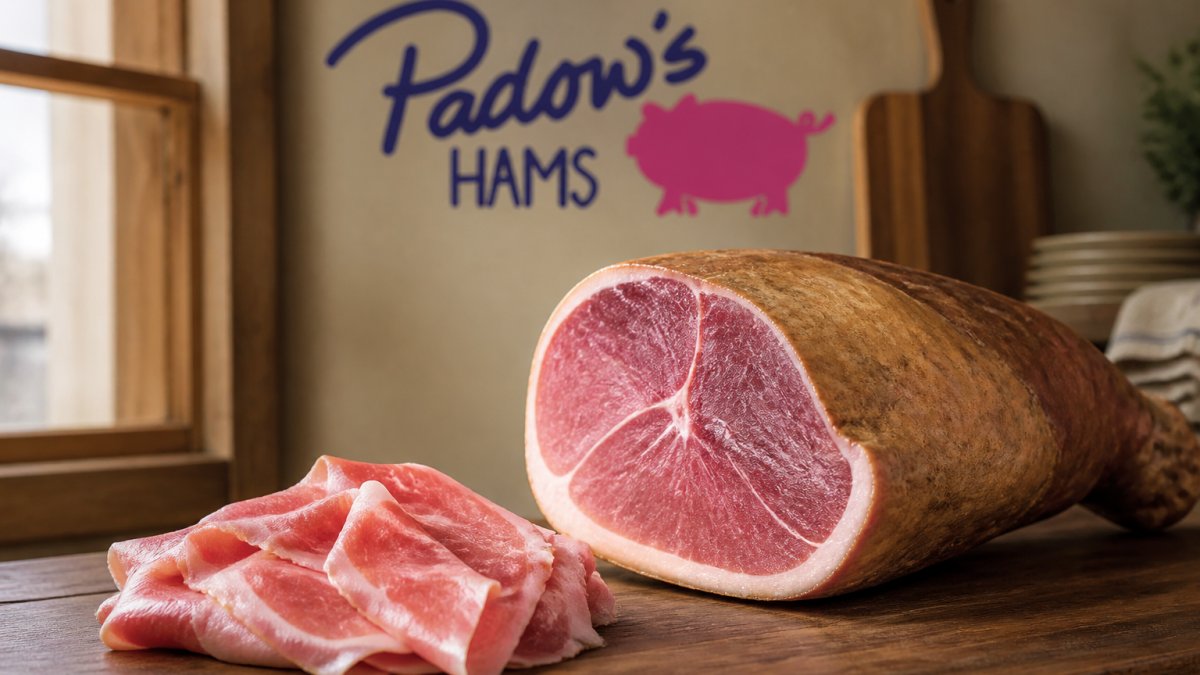
Artisanal producers use dry-curing: the ham is rubbed with salt and spices, then cured in temperature-controlled environments for months. Salt draws moisture out slowly, concentrating flavors and creating a dense, firm texture. The meat loses 18-20% of its original mass, intensifying the salty, savory, umami-rich character.
This slow process creates marbling, fat distributed throughout the meat, and allows enzymatic breakdown of proteins, developing complex amino acids that create depth of flavor. A properly dry-cured ham develops concentrated saltiness balanced with sweet, smoky, or spiced notes.
Padow's Hams Co. offers hams cured for 3 months to develop authentic flavor. This extended cure time is non-negotiable for traditional country ham.
Mass-Produced Hams and Brine-Injection Techniques
Supermarket hams use brine-injection: a machine injects saltwater directly into the meat, distributing cure in hours instead of months. This keeps water content high, making the ham heavier and cheaper per pound.
Brine-injected hams never develop the concentrated flavor of dry-cured meat. Water dilutes salt flavor, and without slow enzymatic breakdown, the taste is mild and bland. The texture is softer and wetter. Many are pre-cooked, which further mutes flavor.
Some hams use wet-curing: the meat sits in brine for weeks, developing some flavor but nowhere near dry-curing intensity.
Flavor Profile and Texture: What Sets Them Apart
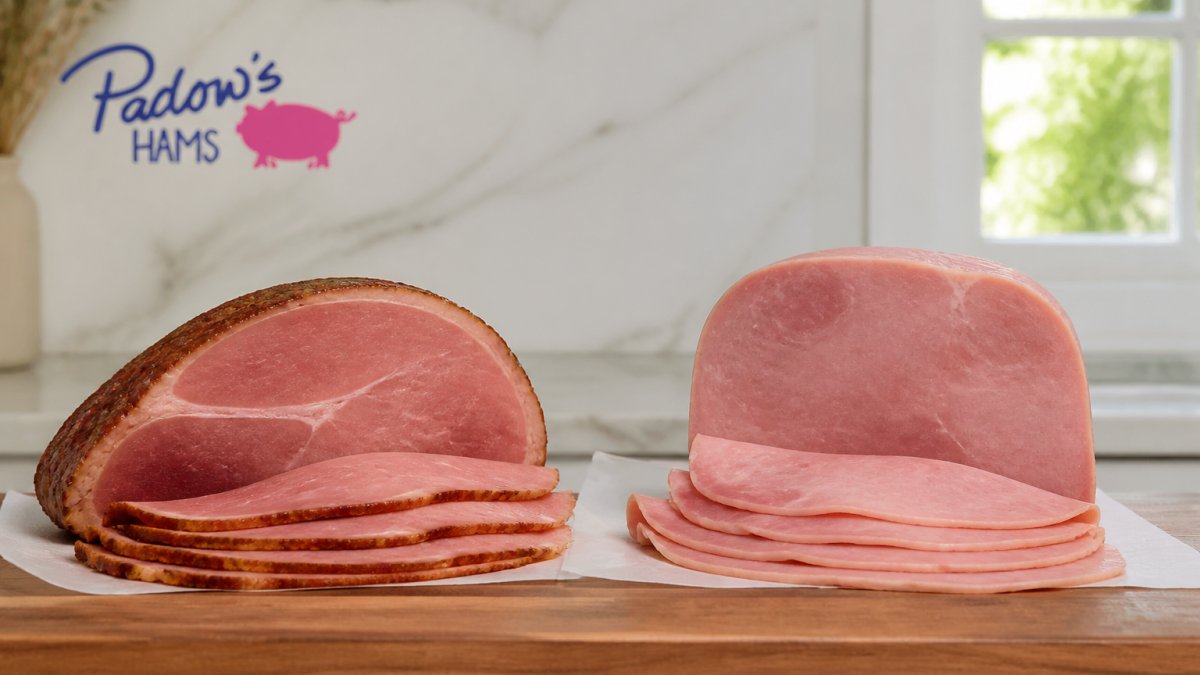
Artisanal dry-cured ham has bold, concentrated salty flavor with subtle sweetness and smoky undertones. The texture is firm and dense. Each bite has presence, and the fat is rich without being greasy.
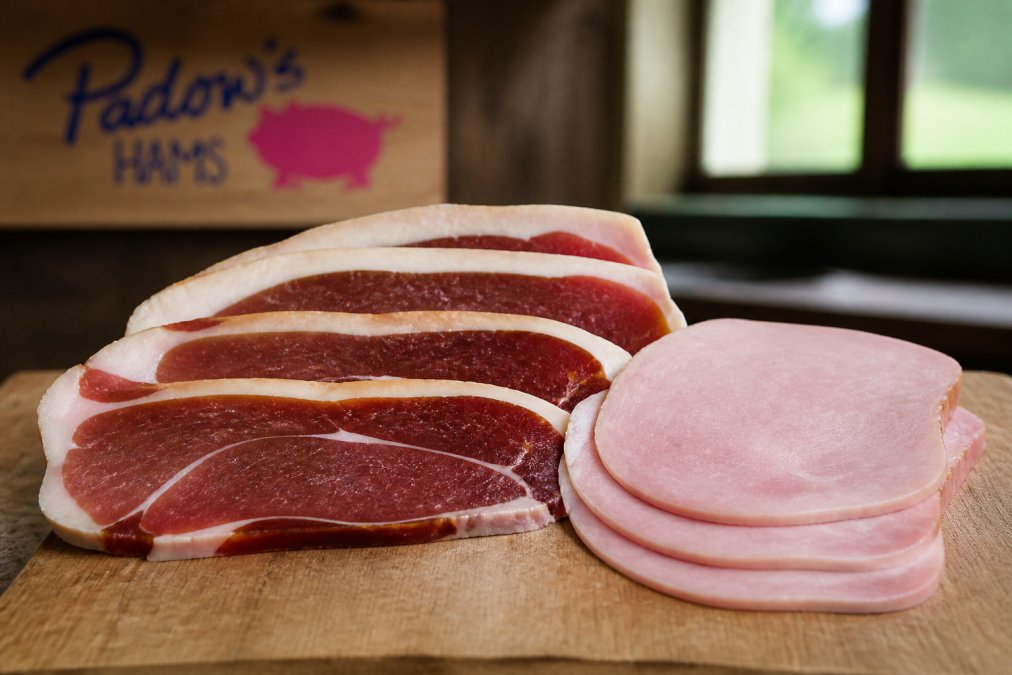
Supermarket ham is mild and one-dimensionally salty, often slightly sweet from added sugar. The texture is softer, sometimes mushy. The flavor fades quickly.
When cooked, a dry-cured ham's concentrated flavor intensifies with heat. A brine-injected ham tends to dry out or become mealy because it has less fat and more water. The cooking method can't overcome the fundamental limitations of how it was cured.
Best Mail Order Country Ham: What to Look For
When ordering country ham, understand the production standards that separate genuinely good ham from mediocre options marketed as "artisanal" or "premium."
Production Standards and Verification
First, check the cure time. A real country ham should be cured for at least 3 months. Anything less won't develop the enzymatic complexity that creates depth of flavor. Producers confident in their process list cure time; many mass-market producers obscure it because their cure is only 2-4 weeks.
Second, examine the ingredient list. It should be simple: ham, salt, spices. A long list of additives like sodium nitrite, sodium phosphate, or sodium erythorbate indicates the producer is prioritizing shelf stability over flavor development. These indicate industrial engineering, not traditional curing.
Third, assess color and appearance. A properly cured ham has deep mahogany or burgundy color, sometimes with slight surface mold or white salt crystallization, signs of proper aging that get washed off before shipping. Pale pink or uniform color indicates heavy brining or pre-cooking.
A whole country ham typically runs 12-16 pounds. Smaller hams have less developed flavor; larger hams can be tougher. Mid-range weight balances flavor development and tenderness.
Environmental and Ethical Sourcing
Small-scale producers typically raise pigs in lower-density environments with better welfare standards.
Traditional curing uses salt as the primary preservative, requiring no refrigeration, a lower environmental footprint than industrial production.
What to Confirm Before Ordering
Confirm the ham arrives fully cured and aged. Some producers ship partially cured hams, adding weeks to preparation. Ask: "Is this ham ready to cook upon arrival?" The answer should be unambiguous.
Verify storage instructions. A properly cured country ham stores at room temperature in a cool, dry place for months. If a producer insists on immediate refrigeration with ice packs, the cure is likely incomplete.
How to Cook a Country Ham: Preparation and Serving
Country ham requires more care than supermarket ham, but it's straightforward. The biggest mistake is treating it like supermarket ham.
Scrub the exterior under cold water to remove mold or salt crust. Soaking overnight reduces saltiness but dilutes flavor; skip it if you want full intensity.
Score the fat cap in a crosshatch pattern, ¼ inch deep. Place cut-side down in a roasting pan with ½ inch of water. Cover with foil. Bake at 325°F for 15-18 minutes per pound (a 12-pound ham takes 3-3.5 hours).
About 30 minutes before finishing, remove foil and apply glaze (honey-mustard, brown sugar and spices, or other). Let it caramelize.
Country ham is already fully cooked by curing. You're warming it and developing the exterior. Use a meat thermometer and pull at 140°F internal temperature.
Let the ham rest 15 minutes before carving. Slice thinly against the grain; country ham's density benefits from thinner slices that let flavor shine.
Ingredients, Additives, and Nutritional Considerations
A traditional country ham contains salt and spices, nothing else. The sodium content is high, inherent to curing, but expected and part of the flavor profile.
Mass-produced hams contain salt, water (10-15% by weight), sodium nitrite or nitrate, sodium phosphate, and often added sugar or honey.
Cost-Per-Serving Analysis and Value Proposition
Here's where the math gets interesting, and where the upfront price difference becomes less relevant than the actual value you receive.
Understanding the Price-Per-Pound Trap
Supermarket ham contains 10-15% added water by weight that cooks off, leaving less actual meat.
Calculating True Yield and Cost-Per-Serving
To compare fairly, you need to calculate the actual meat yield, not just the purchase weight.
The Satiation Factor and Actual Consumption
Country ham is significantly more flavorful and richer than supermarket ham. Most people eat smaller portions because the flavor is more concentrated and satisfying. A guest served a 3-ounce portion of country ham typically feels satisfied. A guest served the same portion of supermarket ham often goes back for seconds because the milder flavor doesn't register as filling.
For a holiday dinner serving 12 people:
- Supermarket ham: 12 people × 3.5 ounces = 42 ounces (2.6 pounds) needed.
- Country ham: 12 people × 2.25 ounces = 27 ounces (1.7 pounds) needed.
Total Cost of Ownership for Mail Order
If you're ordering by mail, factor in shipping. Supermarket ham is available locally, so shipping is zero.
When Each Option Makes Economic Sense
Supermarket ham makes sense if you're serving ham as a side dish or component of a larger meal, not as the centerpiece. It also makes sense if budget is genuinely constrained and you're feeding a large group where quality perception matters less than quantity.
Frequently Asked Questions
What are the primary differences between artisanal country ham and supermarket ham?
Artisanal country hams are dry-cured for extended periods (typically 3 months or longer), developing deep, complex flavor and a firm, sliceable texture. Supermarket hams are usually wet-cured or brine-injected, resulting in higher water content, milder flavor, and softer texture. Artisanal hams contain fewer additives and rely on salt and time for preservation, while mass-produced hams often include nitrates, nitrites, and other preservatives for shelf stability and color consistency.
How does the curing process affect the flavor of a premium ham?
Traditional dry-curing concentrates natural flavors and develops umami depth through salt and enzymatic breakdown of proteins over months. The extended curing time allows salt to penetrate evenly, creating a complex, savory profile. Brine-injection used in supermarket hams adds moisture and dilutes flavor intensity.
Is there a noticeable difference in texture between mass-produced and artisanal hams?
Yes. Artisanal, dry-cured hams have a firm, dense texture that slices cleanly and holds its shape. The low water content creates a meatier bite. Supermarket hams, loaded with injected brine, are softer and more prone to falling apart when sliced. This textural difference affects both eating experience and presentation at the table, making artisanal hams more suitable for elegant serving.
What should I look for when buying the best mail order country ham?
Look for hams cured using traditional salt-cure methods rather than brine-injection. Check for bone-in or semi-boneless cuts, which indicate quality and flavor. Verify the curing duration (3+ months is standard for quality country ham). Examine the label for minimal additives and no added water. Choose producers with heritage recipes and family sourcing when possible.
How long should a traditional country ham be cured for optimal flavor?
Traditional country hams are cured for a minimum of 3 months to develop full flavor and proper preservation. Many artisanal producers cure for 6-12 months or longer, creating more concentrated umami and complex taste. The longer curing time also reduces water content, improving texture and shelf stability. Supermarket hams, by contrast, are ready in days through brine-injection, which is why they lack the depth of flavor found in properly aged country ham.