 ultimate-guide
Dry-Cured Virginia Ham: A Complete Guide
Table of Contents
- What Is Dry-Cured Virginia Ham?
- Traditional Curing Methods Behind Dry-Cured Virginia Ham
- Country Ham vs City Ham: Understanding the Difference
- How to Cook Country Ham: Preparation and Cooking Techniques
- How Long to Soak Country Ham Before Cooking
- Storing Dry-Cured Ham: Food Safety and Shelf Life
- The Flavor Profile and Culinary Appeal of Dry-Cured Virginia Ham
- Frequently Asked Questions
Last Updated: September 27, 2026
What Is Dry-Cured Virginia Ham?
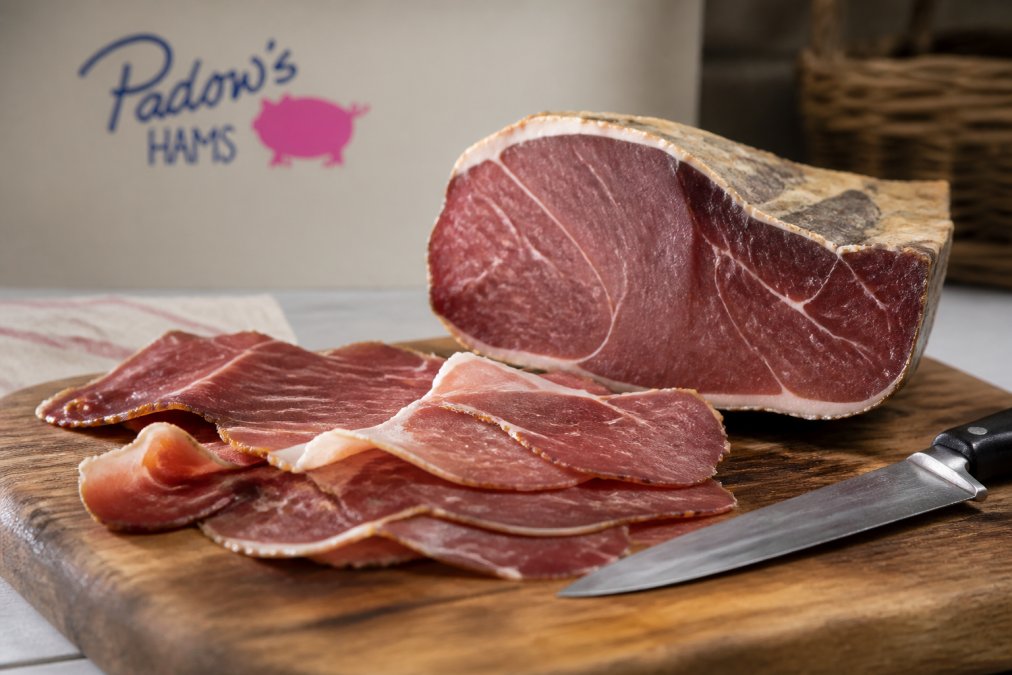
Dry-cured Virginia ham is a salt-preserved pork product created using traditional methods that date back centuries in the region. The meat is rubbed with salt and seasonings, then aged for months in cool conditions, allowing natural dehydration and flavor concentration. This process transforms fresh pork into a shelf-stable delicacy with an intensely salty, complex flavor profile and dense texture that sets it apart from mass-produced alternatives.
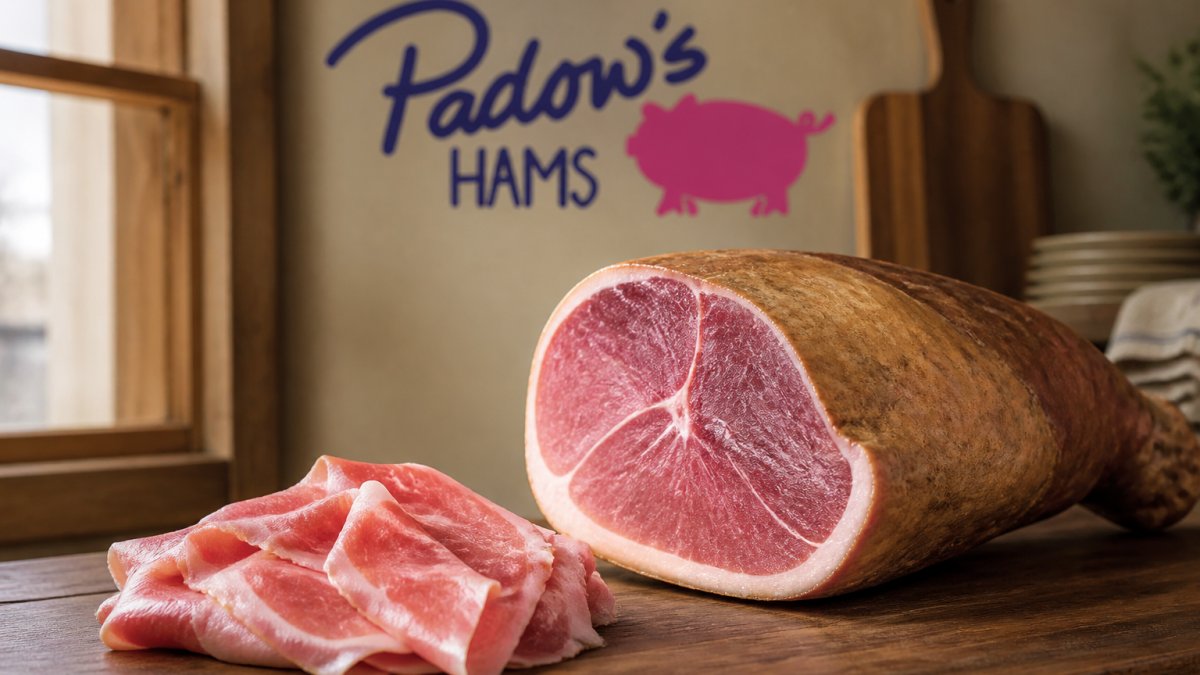
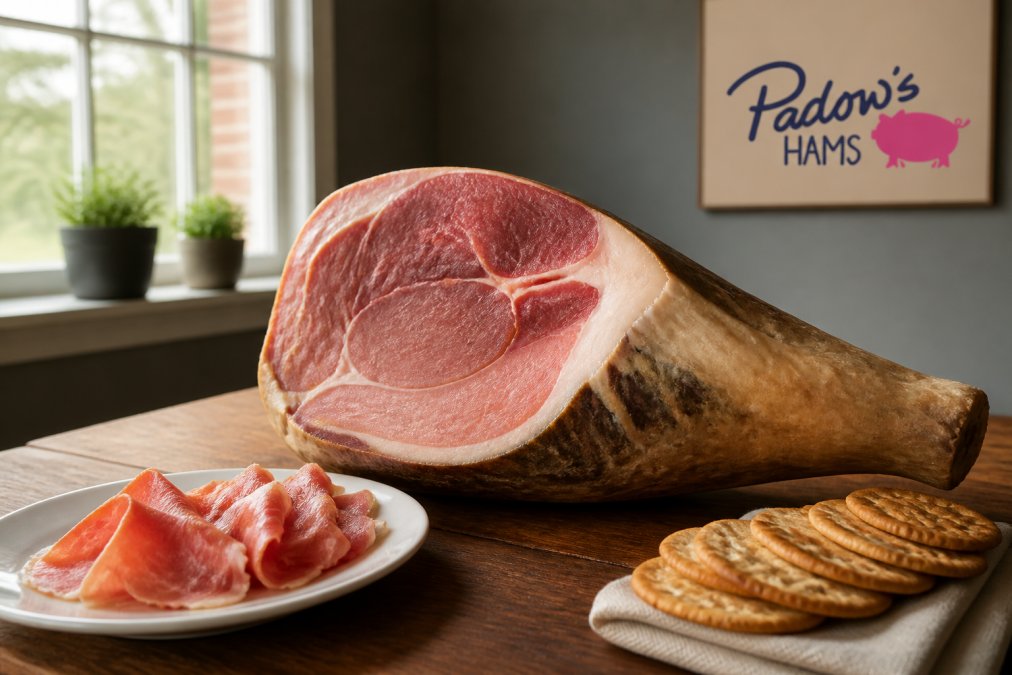
The distinction matters. Unlike city ham, which is wet-cured in brine and often pre-cooked, dry-cured Virginia ham retains its natural moisture through salt curing alone. The result is a product that improves with age, the longer it hangs, the more pronounced its flavor becomes. At Padow's Hams Co., we've worked with this tradition since 1936, sourcing hams from a distributor in Virginia that follows the Virginia salt cure recipe.
What makes dry-cured Virginia ham worth understanding isn't just its taste. It's the craftsmanship. The curing process cannot be rushed. It cannot be replicated by industrial shortcuts. Every ham that carries the Virginia country ham name has spent months developing its character, the salty bite, the subtle sweetness, the umami depth that makes a single slice memorable.
Traditional Curing Methods Behind Dry-Cured Virginia Ham
The salt-box method is the foundation of authentic dry-cured Virginia ham production. Fresh pork hams are buried in salt, sometimes with additions of sugar, nitrates, and spices, and left to cure for weeks. The salt draws moisture from the meat while infusing it with preservative compounds that prevent spoilage and develop flavor.
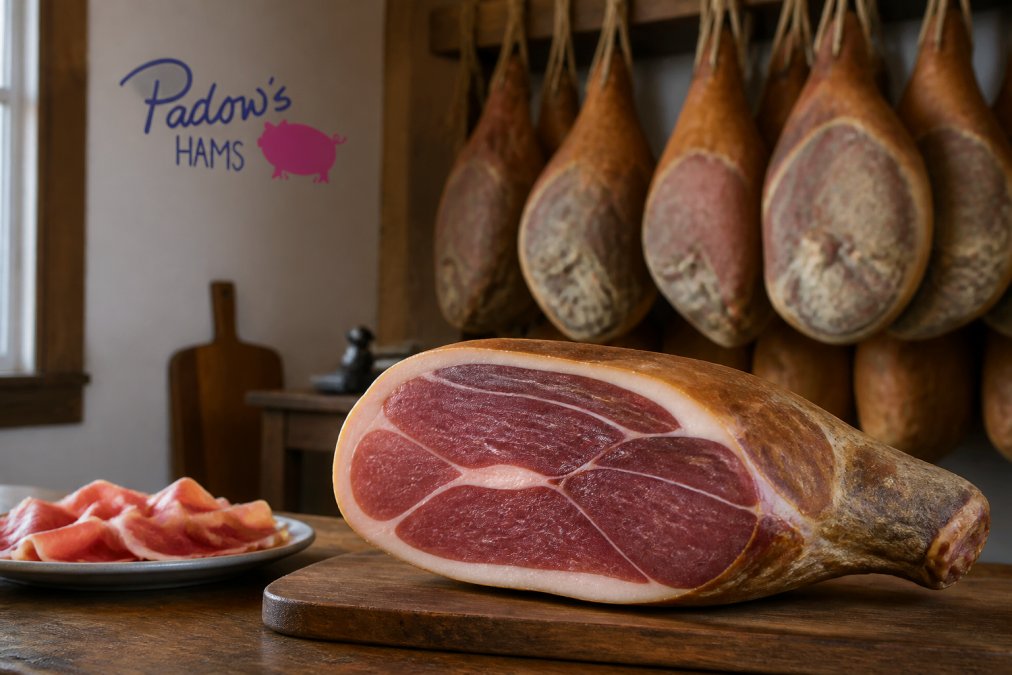
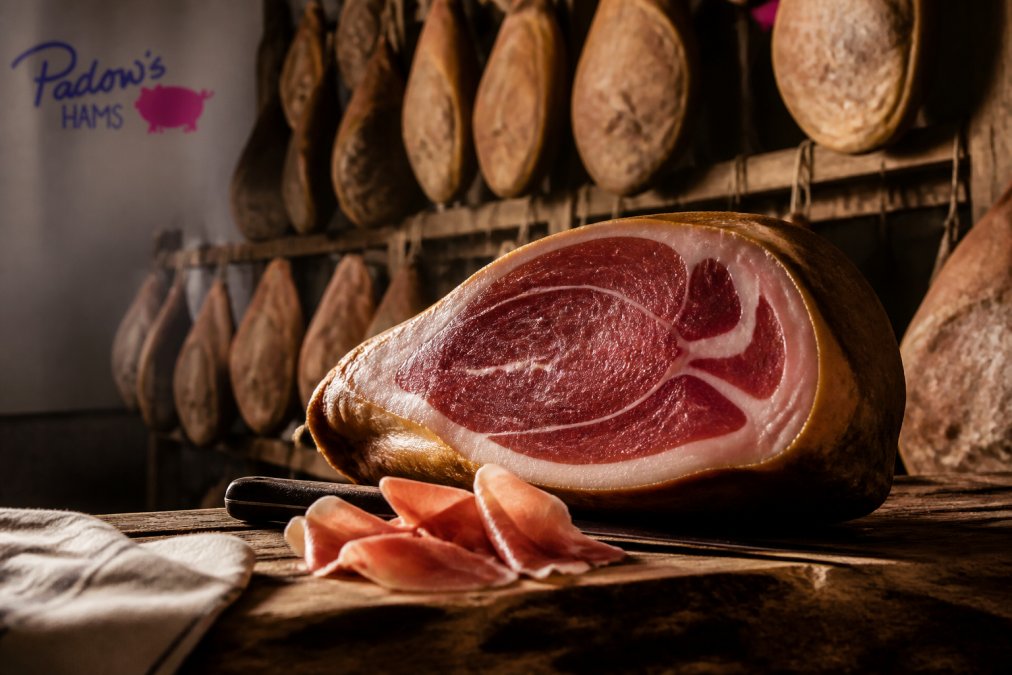
After the initial salt cure, the ham is removed, rinsed, and hung in a cool, climate-controlled space for months. This aging period is where the real transformation happens. Natural mold may develop on the surface, a sign of proper curing, not contamination. The ham loses water weight gradually, its muscle fibers compress, and its flavor intensifies. Many producers add a pepper rub or other seasonings to the exterior during this stage.
Smoking plays a secondary but important role in some Virginia ham production. Oak wood smoke adds another layer of flavor complexity and provides additional preservation. However, true country ham relies primarily on salt curing and aging, not smoke. The smoking is an enhancement, not the main preservation method.
The entire process typically takes three months or longer. Some producers age their hams for a year or more, creating products with even deeper flavor intensity. This time investment explains why dry-cured Virginia ham commands premium pricing compared to mass-produced alternatives.
Country Ham vs City Ham: Understanding the Difference
Country ham and city ham represent two distinct curing approaches, each with its own characteristics and culinary applications.
Country ham (the dry-cured Virginia ham discussed throughout this guide) uses the salt-curing method. The meat is rubbed with salt and seasonings, then aged in cool conditions for months. The result is a shelf-stable product with intensely salty, concentrated flavor. Country ham is typically sold uncooked, though fully cooked varieties exist. Its dense texture and strong flavor mean a little goes a long way, thin slices are standard.
City ham is wet-cured in a brine solution of salt, sugar, and water. The curing time is shorter, often just weeks. City ham absorbs moisture from the brine, making it juicier but less shelf-stable than country ham. Most city ham sold in supermarkets is pre-cooked and ready to heat and serve. Its milder flavor appeals to those who find country ham too salty.
The practical differences matter for how you'll use each product. Country ham requires soaking and careful preparation before cooking. City ham can go straight into the oven. Country ham will last months at room temperature in proper storage. City ham needs refrigeration and has a shorter shelf life once opened.
For holiday feasts and special occasions, country ham delivers the bold, unmistakable flavor that defines Southern tradition. For everyday meals or cooks seeking convenience, city ham offers a gentler introduction to ham's possibilities.
How to Cook Country Ham: Preparation and Cooking Techniques
Cooking dry-cured Virginia ham requires understanding its salt content and dense structure. The meat demands respect, it's not like cooking a city ham fresh from the supermarket.
Step 1: Soak the Ham Most country ham requires soaking before cooking to reduce excess salt. Place the ham in a large pot or bucket of cool water. The soaking duration depends on how salty you prefer the final product and how long the ham has aged. A newer ham (3-4 months old) may need 12-24 hours. A ham aged a year or longer might need 24-48 hours. Change the water every 6-8 hours if possible, this removes salt gradually rather than all at once.
Step 2: Prepare for Cooking After soaking, remove the ham from water and pat it dry. Trim the rind and excess fat if desired, though some cooks leave the rind intact for flavor. Score the surface in a crosshatch pattern, this allows heat to penetrate and helps render the fat. Some traditions call for a glaze of brown sugar, mustard, or molasses at this stage.
Step 3: Cook Low and Slow Place the ham in a roasting pan with about 1 inch of water on the bottom. Cover tightly with foil. Bake at 325°F for approximately 15-20 minutes per pound.
How Long to Soak Country Ham Before Cooking
The soaking duration for dry-cured Virginia ham varies based on age, salt intensity, and personal preference. There's no single correct answer, it's a judgment call based on your specific ham and taste.
Storing Dry-Cured Ham: Food Safety and Shelf Life
Dry-cured Virginia ham's shelf stability is one of its defining advantages. Unlike fresh pork or wet-cured ham, properly stored country ham can last months at room temperature.
The Flavor Profile and Culinary Appeal of Dry-Cured Virginia Ham
The flavor of dry-cured Virginia ham is unmistakable, intensely salty with underlying sweetness, umami depth, and subtle smoky notes if the ham has been smoked. The dense texture means the flavor is concentrated. A thin slice delivers more impact than a thick slice of milder ham.
Frequently Asked Questions
What is the difference between dry-cured Virginia ham and regular ham?
Dry-cured Virginia ham undergoes a traditional salt-curing process that draws moisture from the meat, creating a dense texture and intensely salty, complex flavor. Regular ham is typically wet-cured in brine, resulting in a milder taste and softer consistency. The curing time for dry-cured Virginia ham, often 3 months or longer, develops deeper flavors that regular ham cannot achieve. This extended aging and maturation process makes dry-cured Virginia ham shelf-stable at room temperature, whereas regular ham requires refrigeration.
Can I eat dry-cured ham without cooking it?
Yes, you can eat dry-cured Virginia ham without cooking it. The curing and aging process fully preserves the meat, making it safe to consume raw, similar to prosciutto or other cured charcuterie. Many people enjoy thin slices served at room temperature as an appetizer or part of a charcuterie board. However, cooking or heating the ham brings out additional flavors and can make it more tender, which some prefer for main courses or traditional holiday meals.
How does the salt-box method work in curing country ham?
The salt-box method involves hand-rubbing the pork with curing salt, which draws out moisture through osmosis. The ham is then stored in a salt box or cool environment where it rests for several weeks. During this time, the salt penetrates deeply into the meat while the moisture evaporates, creating the dense, shelf-stable product. This traditional approach, combined with aging and often smoking with oak wood, develops the distinctive flavor profile that defines authentic dry-cured Virginia country ham.
What makes Virginia country ham different from other regional cured hams?
Virginia country ham is distinguished by its specific curing recipe, extended aging period, and the traditional practices passed down through generations. The combination of salt-curing, smoking with oak wood, and maturation in natural conditions creates a uniquely intensely salty and flavorful product. USDA guidelines recognize Virginia country ham as a distinct category, reflecting its traditional preparation methods and regional heritage. The climate and water sources in Virginia also contribute to the distinctive characteristics that set this ham apart from other cured varieties.
How do I know if my dry-cured ham has gone bad?
Properly cured and stored dry-cured Virginia ham is shelf-stable and resistant to spoilage due to its low moisture content and high salt content. However, check for signs of mold on the rind, some surface mold is normal and can be wiped away, but extensive mold or mold inside the meat indicates spoilage. Off odors, sliminess, or discoloration beyond the normal deep mahogany color suggest the ham should not be consumed. Store it in a cool, dry place away from direct sunlight, and follow food safety guidelines for opened portions.
What is the best way to slice dry-cured Virginia ham?
Use a sharp, thin-bladed knife to slice dry-cured Virginia ham as thinly as possible, paper-thin slices are ideal. The dense texture requires a steady hand and a quality knife; a dull blade will tear the meat. Many people prefer electric slicers for consistent thickness. Slice just before serving to preserve moisture and flavor. If you're serving a whole ham, start at the hock end and work toward the butt, angling the knife slightly to follow the bone for maximum yield.