 ultimate-guide
Buy Aged Country Ham for Christmas: A Complete Guide
Table of Contents
- What Makes Aged Country Ham Different
- Understanding the Curing and Aging Process
- How to Cook a Country Ham for Holiday Gatherings
- Best Way to Slice Country Ham for Serving
- Country Ham Storage Tips and Shelf Life
- Selecting the Right Ham for Your Holiday Table
- Pairing and Serving Suggestions for the Holidays
- Why Handcrafted Country Ham Belongs at Your Holiday Feast
- Frequently Asked Questions
Last Updated: September 20, 2026
What Makes Aged Country Ham Different
Aged country ham represents a distinct category of cured pork that stands apart from the mass-produced hams found in supermarket meat cases. The defining characteristic is the curing and aging process itself, a traditional method that develops deep, complex flavors impossible to achieve through modern commercial shortcuts.
At Padow's Hams Co., we've been delivering handcrafted country ham to families and businesses for nearly 90 years. The difference between an aged country ham and a standard grocery store ham comes down to patience, salt, and time. A true country ham undergoes extended dry-curing that concentrates flavors and transforms the meat's texture into something altogether more intense and satisfying.
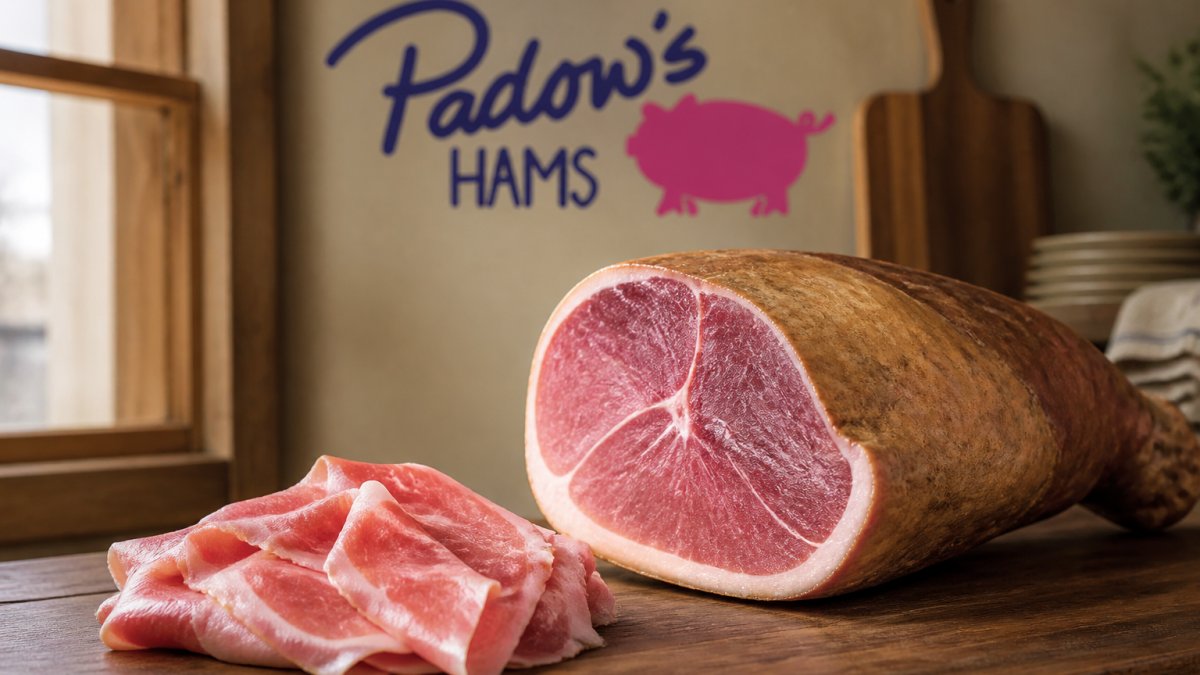
The mahogany color of a properly aged country ham signals the depth of flavor within. This isn't just appearance, it reflects months of salt-curing that draws moisture from the meat while infusing it with savory complexity. When you compare this to a wet-cured ham (the typical supermarket variety), the contrast becomes immediately apparent. Aged country ham delivers bold, salty, umami-forward notes that command attention on the holiday table, while conventional hams tend toward mild sweetness and softer texture.
Understanding the Curing and Aging Process
Why Three Months of Salt-Curing Matters
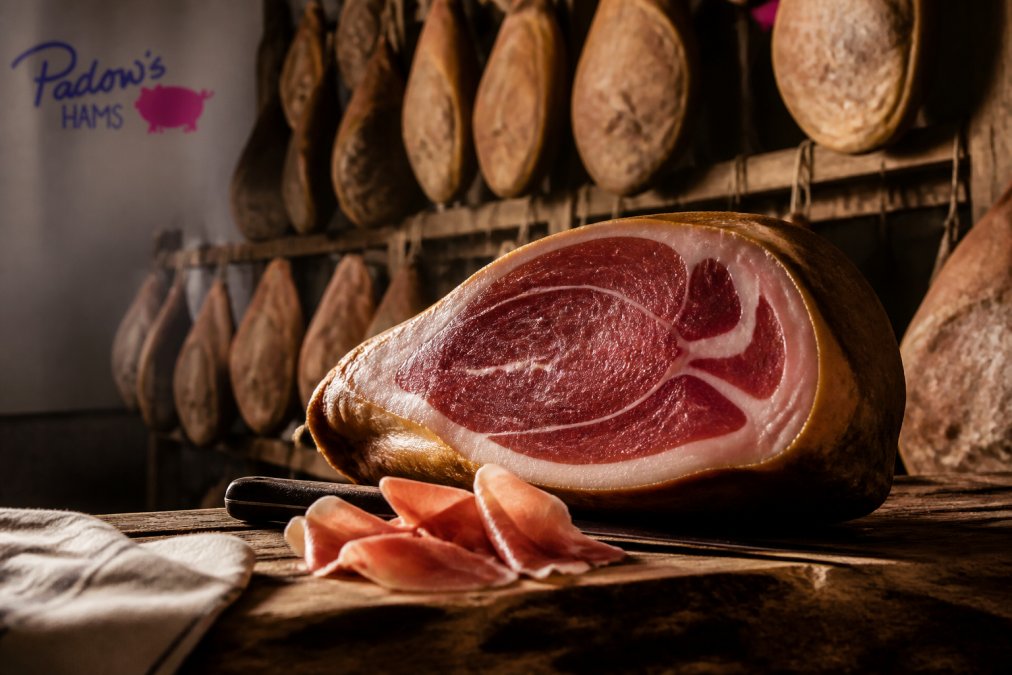
The three-month curing window isn't arbitrary, it's the minimum time required for salt to penetrate the entire ham, draw out moisture, and allow natural enzymatic processes to develop authentic flavor. Our hams are cured for 3 months, following the traditional Virginia salt cure recipe, with salt applied to the exterior and allowing gravity and time to do the work.
During those first weeks, salt draws moisture from the meat's surface inward. This dehydration process serves two critical purposes: it preserves the ham by creating an inhospitable environment for spoilage organisms, and it concentrates the meat's natural flavors exponentially. As weeks progress into months, enzymatic breakdown begins. Proteins break down into amino acids, fats oxidize slightly, and the ham develops the characteristic savory depth that defines authentic country ham.
By month three, the salt has fully penetrated to the bone, the exterior has developed a protective patina, and the interior has transformed into something entirely different from the raw pork that started the process. This is why buying aged country ham for Christmas means investing in a product that has literally been perfected through time, not rushed through industrial processing.
The shelf-stable nature of a properly salt-cured country ham is a direct result of this process. Unlike wet-cured hams that require refrigeration and have limited shelf life, a country ham can be stored at room temperature for extended periods, making it ideal for holiday gifting and advance purchasing.
How to Cook a Country Ham for Holiday Gatherings
Soaking and Preparation Steps
Before cooking, most country hams benefit from soaking to reduce saltiness to a level that suits modern palates. This step is optional, some prefer the full intensity of the salt cure, but it's the standard approach for holiday entertaining.
Start by placing your ham in a large pot or container and covering it completely with cold water. Allow it to soak for 12 to 24 hours, changing the water every 6 hours if possible. This gradual rehydration softens the exterior and pulls excess salt from the surface layers without compromising the interior's flavor development.
After soaking, remove the ham and rinse it thoroughly under cold running water. Using a stiff brush, scrub away any mold or salt crystals that may have accumulated on the exterior during aging and storage. Pat the ham dry with paper towels. If you're planning to score the surface for glazing, now is the time to do it, make shallow cuts in a crosshatch pattern, being careful not to cut into the meat itself.
Baking and Glazing Techniques
Preheat your oven to 325°F. Place the prepared ham cut-side down in a large roasting pan with about half an inch of water in the bottom. Cover the pan tightly with foil and place it in the oven.
The general rule is 15 to 20 minutes per pound of ham. A 10-pound ham will require approximately 2.5 to 3.5 hours of baking. About 30 minutes before the ham finishes cooking, remove the foil and brush your chosen glaze across the scored surface. Common glazes include brown sugar and mustard, honey and bourbon, or maple and black pepper combinations.
Return the glazed ham to the oven uncovered for those final 30 minutes, allowing the glaze to caramelize and set. The ham is done when a meat thermometer inserted into the thickest part (away from the bone) reads 160°F. Remove from the oven and allow it to rest for 15 minutes before carving.
The resting period is crucial, it allows the meat to reabsorb some of its juices, making slicing cleaner and the texture more tender. During this time, the residual heat will continue to cook the outer layers slightly, ensuring even doneness throughout.
Best Way to Slice Country Ham for Serving
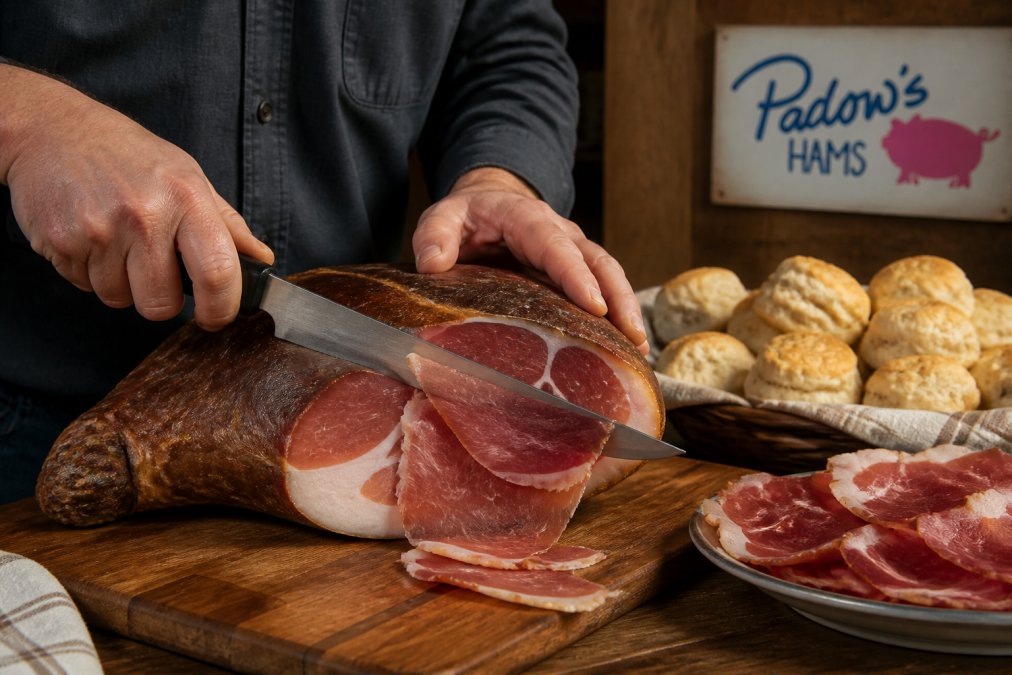
The ideal thickness for country ham slices is paper-thin to quarter-inch, depending on how you plan to serve it. Thinner slices showcase the ham's complex flavor and allow diners to appreciate its intensity without overwhelming the palate. Thicker slices work better if the ham is being served alongside other substantial dishes.
Use a sharp carving knife or ham knife, a long, thin blade designed specifically for this task. Position the ham on a stable cutting surface with the cut side down. Begin at the narrow end and slice perpendicular to the bone, using long, smooth strokes rather than sawing motions. Let the knife's weight do the work; pressing too hard can tear the meat's fibers.
For bone-in hams, slice along the bone first to separate the meat, then slice across the grain into individual pieces. The bone itself can be reserved for making stock, country ham bone broth is deeply flavorful and valuable for soups and other dishes.
A common mistake is slicing too thickly. Country ham's intensity means that smaller portions satisfy more completely than larger ones.
Country Ham Storage Tips and Shelf Life
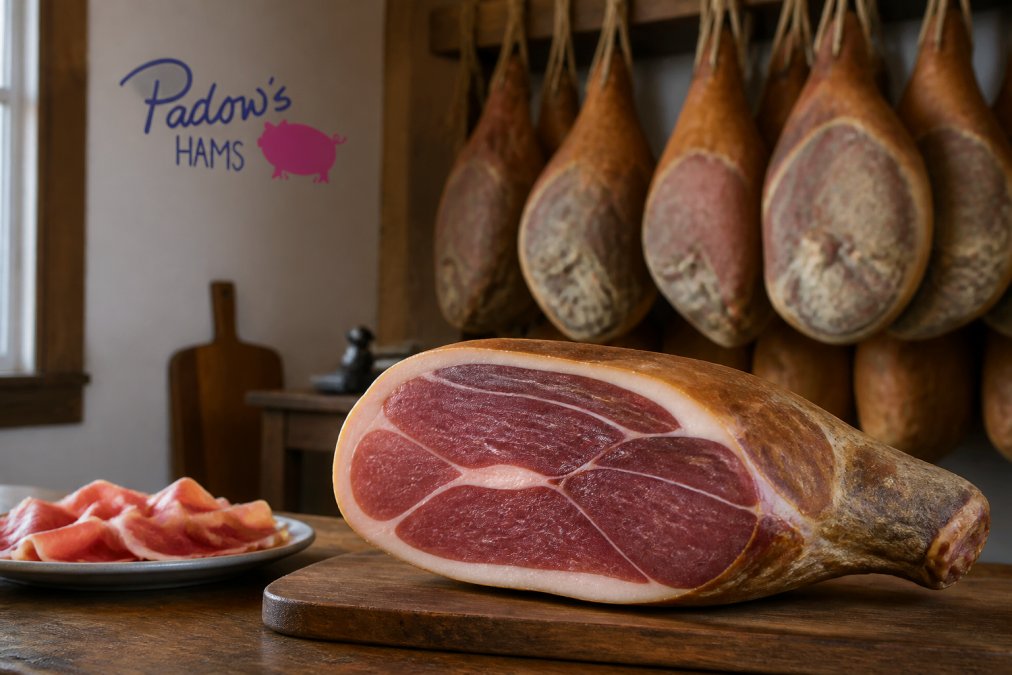
A whole, unsliced country ham that has been properly cured and aged can be stored at room temperature in a cool, dry location for several months. This is one of the defining advantages of authentic country ham, it does not require refrigeration, making it ideal for advance holiday purchasing and gift-giving.
Selecting the Right Ham for Your Holiday Table
Bone-in vs. Boneless Options
Bone-in country hams deliver superior flavor because the bone imparts richness to the meat during cooking and aging. The bone also makes carving more dramatic and visually impressive at the table, there's something undeniably festive about presenting a whole ham with the bone intact. From a practical standpoint, bone-in hams yield slightly less meat by weight, but the quality of that meat is noticeably higher.
Weight and Serving Size Considerations
A good rule of thumb is to plan for one-quarter to one-third pound of bone-in ham per person, or one-fifth to one-quarter pound of boneless ham per person. For a gathering of eight people, a 4- to 6-pound ham is typically sufficient as the main protein, especially when served alongside other dishes.
Pairing and Serving Suggestions for the Holidays
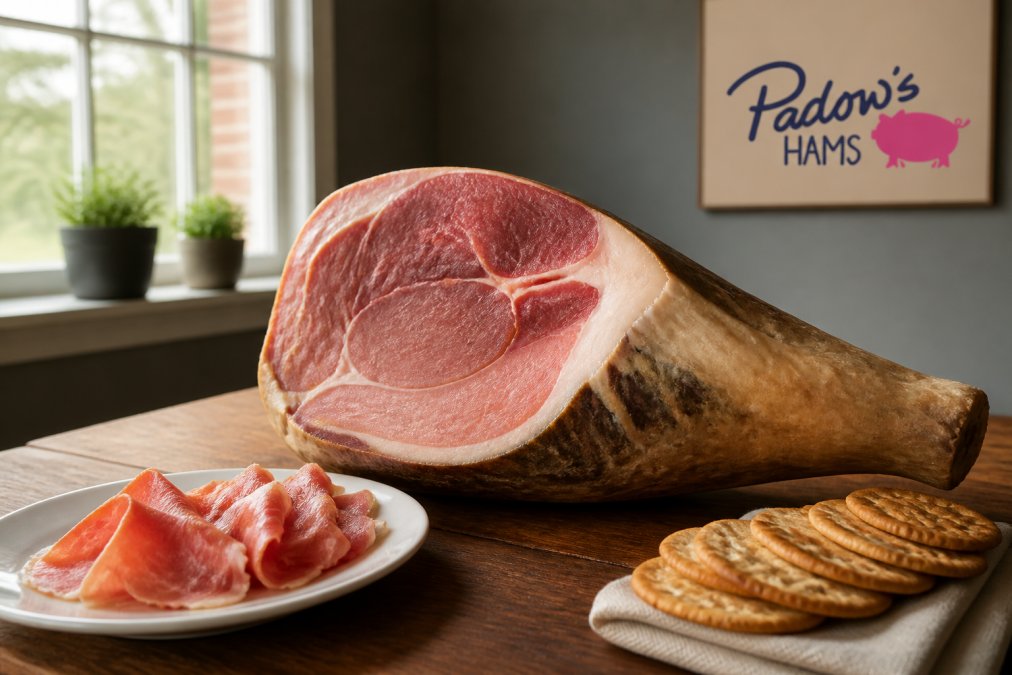
Country ham's bold, salty character pairs exceptionally well with slightly sweet elements. Biscuits are the classic pairing, the butter and mild flavor of a good biscuit balances the ham's intensity perfectly. Cornbread works similarly, as does any mildly sweet bread.
Why Handcrafted Country Ham Belongs at Your Holiday Feast
When you buy aged country ham for Christmas, you're investing in a product that carries generations of culinary tradition. This isn't convenience food or mass-market commodity, it's a deliberate choice to prioritize quality and authenticity at the year's most important meal.
Frequently Asked Questions
What is the difference between aged country ham and a regular grocery store ham?
Aged country ham is salt-cured and dry-cured for months, developing a deep mahogany color and intensely savory flavor profile. Regular supermarket hams are typically wet-cured with water and sugar, resulting in a milder taste and softer texture. Country ham's traditional curing methods create a shelf-stable product with authentic heritage breed characteristics that cannot be replicated by mass-produced hams.
How long should I soak a country ham before cooking?
Most aged country hams benefit from soaking for 12 to 24 hours in cold water before cooking. This reduces saltiness while maintaining the authentic flavor. Change the water several times during soaking. Smaller hams or pre-sliced portions may need less time. Always follow specific soaking instructions provided with your ham, as curing time and salt levels vary between producers.
How do I store a whole country ham after it arrives?
Aged country ham is shelf-stable and can be stored in a cool, dry place at room temperature for several months before cooking. Once sliced or cooked, wrap it tightly and refrigerate for up to two weeks, or freeze for longer storage. The salt-cured nature of country ham acts as a natural preservative, making it ideal for advance holiday planning without worrying about spoilage.
Can I prepare a country ham if I'm not an experienced cook?
Yes. Basic preparation involves soaking, then baking low and slow with a simple glaze. Most country hams require minimal hands-on effort, typically just placing the ham in the oven and checking it occasionally. The handcrafted quality means the meat's authentic flavor shines through without complex techniques. Many families serve thin slices on biscuits without any cooking beyond gentle warming.