 how-to
How to Serve Country Ham for Holidays
Table of Contents
- Understanding Country Ham vs. Regular Ham
- Preparation and Soaking Process
- Country Ham Cooking Time and Methods
- How to Slice Country Ham Properly
- Best Side Dishes for Country Ham
- Wine and Beverage Pairings
- Serving, Storage, and Leftover Tips
- Troubleshooting Common Mistakes
- Frequently Asked Questions
Last Updated: September 18, 2026
Understanding Country Ham vs. Regular Ham
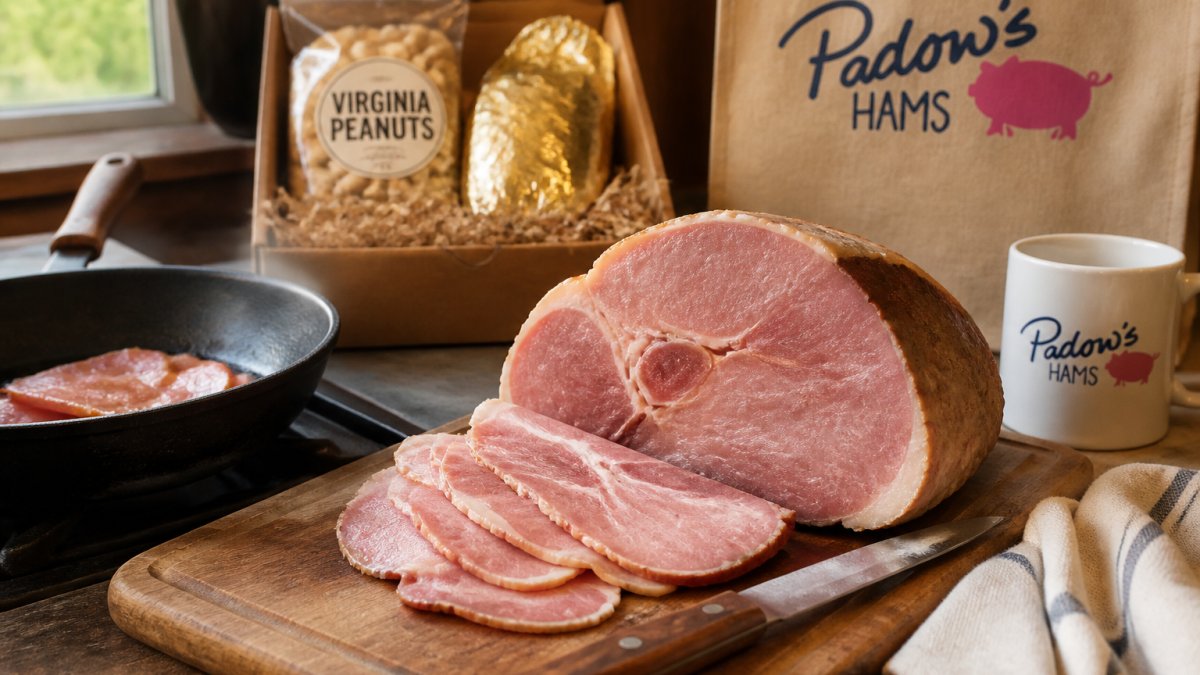
Country ham is a dry-cured, salt-preserved ham that differs fundamentally from the mass-produced supermarket varieties most families buy for holiday meals. The key distinction lies in the curing process and aging time. Country ham is cured for months using salt and traditional methods, creating a dense, intensely flavored meat with a firm texture. Regular ham, by contrast, is typically wet-cured in brine, resulting in a softer, milder product with higher water content. At Padow's Hams Co., we work with a distributor in Virginia who follows time-honored salt cure recipes, aging hams for 3 months to develop that distinctive deep flavor.
Country ham delivers a sharp, savory, umami-rich taste that anchors a Southern-style feast. A single slice carries enough intensity to flavor biscuits, grits, or beans. Understanding this difference shapes every decision that follows: how long to soak it, how to cook it, how to slice it, and what sides complement it best.
Preparation and Soaking Process
Country ham requires soaking before cooking to remove excess salt and rehydrate the meat. Skip this, and your ham will be unpalatably salty.
Here's how to prepare country ham properly:
-
Scrub the exterior, Use a stiff brush under running water to remove any mold or surface salt buildup. This is normal and expected on dry-cured ham.
-
Soak in cool water, Submerge the ham in a large pot or container filled with cold water. Plan for 12-24 hours of soaking, changing the water every 6 hours if possible. Each water change removes dissolved salt.
-
Check for doneness, Taste a small piece of the ham after soaking. It should taste pleasantly salty, not intensely so. If it's still too sharp, continue soaking and change the water again.
-
Pat dry before cooking, Remove the ham from water and pat it completely dry with paper towels. This helps the exterior brown properly during cooking.
Start with 12 hours and taste-test. You're aiming for savory, not overwhelming.
Country Ham Cooking Time and Methods
Country ham cooks low and slow at 325°F. High heat dries it out; gentle heat renders the fat and develops the crust.
Baking method (most common for holiday centerpieces):
Preheat your oven to 325°F. Score the ham's surface in a diamond pattern, cutting through the fat layer but not into the meat. Place cut-side down in a roasting pan with ½ inch of water. Cover tightly with foil and bake for 15-20 minutes per pound. In the final 30 minutes, remove the foil, brush on glaze (brown sugar, Dijon mustard, cloves, and vinegar work well), and return uncovered to caramelize.
Pan-frying method (for smaller portions or slices):
For slices or smaller hams, pan-fry in a cast-iron skillet over medium heat with no oil needed. Cook 2-3 minutes per side until edges brown. This method is fast but sacrifices the dramatic whole-ham presentation.
How to Slice Country Ham Properly
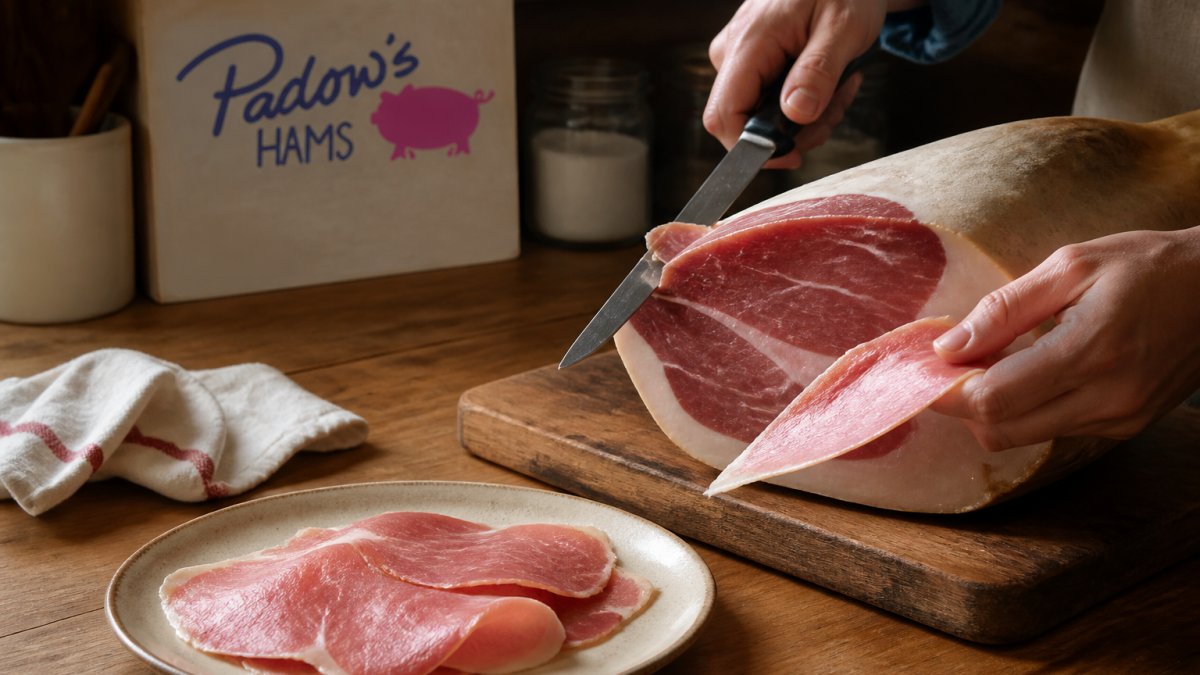
Thin slices showcase the texture and prevent the intense flavor from overwhelming the palate.
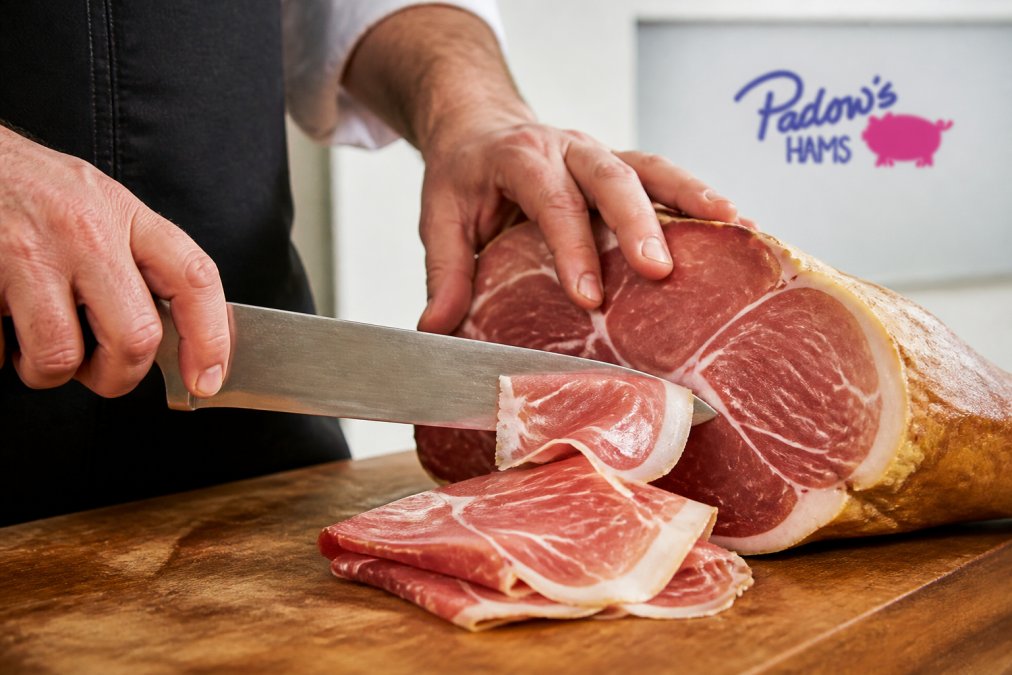
Slicing technique:
Use a sharp carving knife (8-10 inches) and hold it at a slight angle (about 20 degrees from perpendicular). Cut slowly and let the knife do the work; sawing motions create uneven thickness. Aim for slices thin enough to see light through them, thinner than typical deli ham but not paper-thin.
Best Side Dishes for Country Ham
Country ham's intense, savory profile demands sides that balance and complement it without competing for attention.
Traditional pairings that work:
- Red eye gravy, This iconic pairing combines the ham's cooking liquid, black coffee, and a touch of brown sugar. Serve it over biscuits or grits.
- Biscuits, Buttery, tender biscuits provide neutral flavor and absorb the ham's essence. A thin slice of ham between two biscuits is a classic.
- Grits, Creamy, buttery grits offer richness without competing for attention. The ham's saltiness seasons the grits beautifully.
- Collard greens, Slow-cooked greens with vinegar provide earthiness and acidity that cuts through the ham's richness.
- Mac and cheese, Creamy pasta dishes balance the ham's intensity with comfort and mild flavor.
- Sweet potato casserole, A touch of sweetness complements the savory ham without clashing.
- Cornbread, Slightly sweet cornbread mirrors the biscuit pairing but offers a different texture.
Wine and Beverage Pairings
Country ham's bold, salty, umami-rich character demands beverages that cleanse the palate and prevent salt fatigue. Without the right drink, guests experience salt buildup and flavor fatigue. The right pairing refreshes the palate between bites and elevates the meal.
White wine pairings (the gold standard):
Light, crisp white wines with good acidity are best. Sauvignon Blanc is the top pick, its herbaceous notes and bright acidity cut through the ham's richness. Pinot Grigio and Albariño also work well. Avoid heavy, oaky whites like Chardonnay; oak and butter compete with the ham's flavor.
Rosé as a bridge option:
Dry rosé (Provence-style) offers more body than white wine while maintaining the acidity needed to balance the ham.
Red wine (use with caution):
Red wine is generally not ideal for country ham. Heavy reds clash with the ham's saltiness. If you must serve red, choose light, low-tannin options like Pinot Noir or young Beaujolais.
Non-wine beverages (equally important):
Black coffee or strong tea pairs well with country ham, especially at breakfast. Sweet tea, lemonade, ginger ale, and sparkling cider provide refreshment and palate cleansing. Light craft beers (pale ales, restrained IPAs) work if guests prefer beer; avoid heavy stouts or porters. Spirits like spiced rum also offer a complex warmth that complements the saltiness of the meat, provided you know how to pair food with rum to balance those intense flavors.
Practical serving strategy:
Offer white wine as the primary choice, with rosé, coffee, tea, and non-alcoholic options on hand. Serve wine slightly chilled in smaller glasses than usual, guests sip more frequently due to the ham's intensity.
Serving, Storage, and Leftover Tips
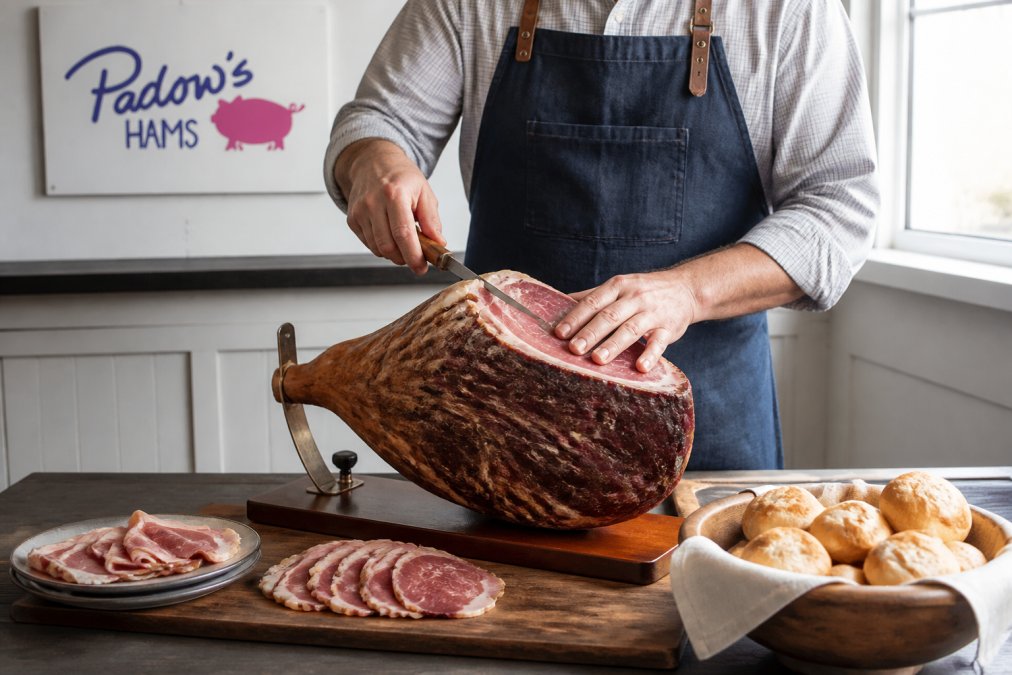
When you know how to serve country ham for holidays, you present the ham as a centerpiece on a carving board with fresh herbs. Carve slices to order or slice beforehand and arrange on a platter. Serve at room temperature or slightly warm, cold country ham tastes better than piping hot.
Wrap leftover ham tightly in plastic wrap or foil and refrigerate for up to 1 week. Freeze for up to 3 months by wrapping slices individually. Use leftovers in eggs, biscuits, beans, sandwiches, or salads. The gelatin-rich drippings enrich soups and greens.
Troubleshooting Common Mistakes
Most problems stem from incorrect soaking, cooking temperature that's too high, or slicing technique.
Problem: The ham tastes too salty even after soaking.
Root cause: Soaking time was too short, water wasn't changed frequently enough, or soak water was too warm.
How to fix it now: Serve with mild, unsalted sides (biscuits, grits, white bread) that absorb saltiness. Slice very thinly and pair with sweet tea or lemonade.
Prevention for next time: Soak for 24 hours and change water every 4-6 hours using cold water. Taste after 12 hours; if still intensely salty, continue soaking.
Problem: The ham is dry after cooking.
Root cause: Oven temperature was too high, the ham cooked uncovered too long, or cooking time exceeded the ham's weight requirement.
How to fix it now: Slice thinly and serve with red eye gravy, pan drippings, or sauce. Creamy sides like mac and cheese also mask dryness.
Prevention for next time: Cook at 325°F. Use a meat thermometer and remove at 160°F internal temperature. Keep covered with foil for three-quarters of cooking time. Add ½ to 1 inch of water to the pan and replenish if it evaporates. Uncover only in the final 30 minutes for glazing.
Problem: The exterior is tough or leathery.
Problem: The glaze slides off during cooking or burns.
Problem: The ham is tough or chewy, not tender.
Problem: The ham didn't brown or develop a crust.
Frequently Asked Questions
What's the difference between country ham and regular ham?
Country ham is dry-cured and salt-cured using traditional methods, typically aged for months to develop deep, concentrated flavor. Regular supermarket ham is often wet-cured in brine, resulting in a milder taste and softer texture. Country ham has a firmer consistency, higher sodium content, and a rich, savory umami profile that defines Southern culinary tradition. This difference makes country ham ideal as a holiday centerpiece when you want to impress guests with authentic flavor.
How long does country ham take to cook for a holiday meal?
Most country hams require 15-20 minutes of cooking time per pound when baking at 325°F. A typical 10-12 pound ham needs 2.5-3 hours total. This includes initial soaking (4-12 hours depending on saltiness), prep time for scoring and glazing, and resting time before carving. Plan your timeline backward from your desired serving time to ensure the ham finishes cooking with enough time to rest and reach room temperature for optimal slicing.
How thin should you slice country ham for serving?
Slice country ham paper-thin, ideally 1/8 inch or thinner. Use a sharp knife and cut at a slight angle against the grain for maximum tenderness. Thin slices showcase the ham's rich flavor without overwhelming the palate, and they're easier for guests to enjoy. The thinly sliced presentation also makes the ham stretch further across your holiday table, creating an impressive display that feels both generous and refined.
What side dishes pair best with country ham?
Traditional pairings include red eye gravy, biscuits, grits, collard greens, and sweet potato casserole. The savory, umami-forward character of country ham pairs beautifully with slightly sweet sides like brown sugar-glazed vegetables or candied yams. Acidic sides such as vinegar-based slaw or pickled vegetables cut through the ham's richness. For a complete Southern holiday menu, combine at least one starchy side (biscuits or grits), one green vegetable, and one slightly sweet or acidic element to balance flavors across the table.