 ultimate-guide
What Makes Virginia Ham Special: Salt-Cured Tradition
Table of Contents
- What Makes Virginia Ham Special: The Salt Cure Behind the Flavor
- Country Ham vs. City Ham: Why the Difference Shows Up on the Plate
- The Virginia Salt Cure, Hickory Smoke, and the Aging Process
- How Long to Soak Country Ham Before Cooking
- How to Cook Country Ham So It Stays Tender and Savory
- How to Identify Authentic Virginia Ham vs. Mass-Produced Ham
- Pairing Guide: Wine, Cheese, and Sides for Cured Ham
- Nutrition and Dietary Considerations for Cured Meat
- Frequently Asked Questions
Last Updated: October 4, 2026
What Makes Virginia Ham Special: The Salt Cure Behind the Flavor
What makes Virginia ham special is the cure: a dry salt rub, months of cool-weather aging, and a hickory smoke that no shortcut can copy. This guide from Padow's Hams Co. explains how the Virginia salt cure works, why it produces such a deep savory flavor, and how to cook and serve a country ham so it turns out tender instead of tough.
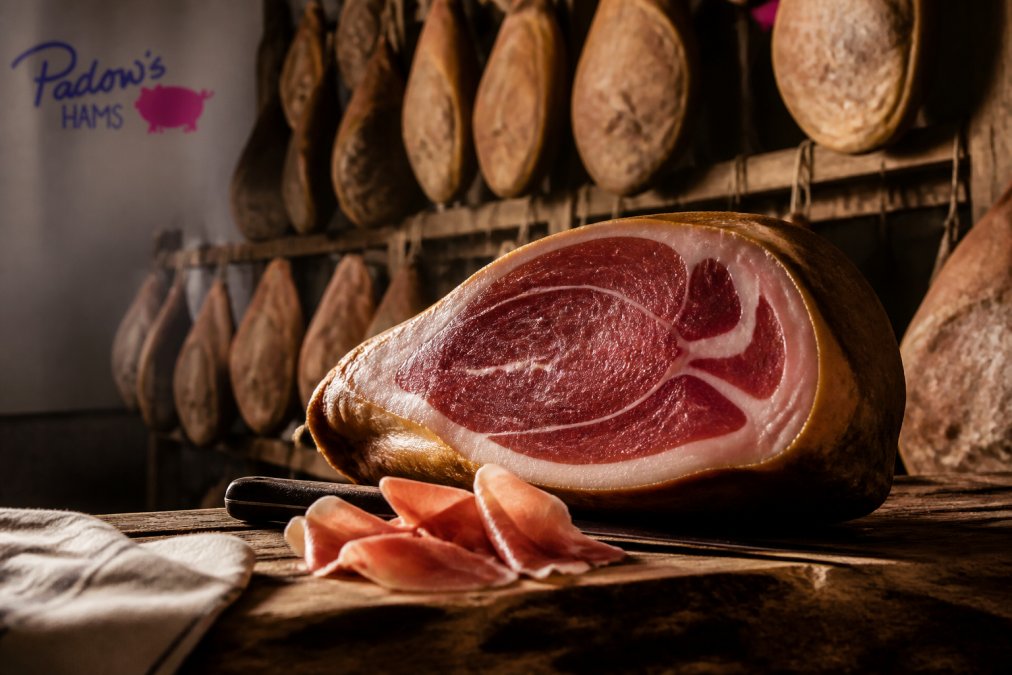
Walk into any grocery store and you will find wet-cured hams injected with brine, smoked with liquid smoke, and ready in a day. A genuine Virginia ham takes months. The pork is salt-rubbed by hand, hung in a curing room through the winter, and left to develop mold, marbling, and umami the way it has been done since colonial times.
Below, we break down the difference between country ham and city ham, walk through the Virginia salt cure step by step, and give you the exact soaking and cooking times so your first country ham turns out right.
Country Ham vs. City Ham: Why the Difference Shows Up on the Plate
Country ham is a dry-cured, salt-rubbed, often hickory-smoked ham that is aged for months and sold shelf-stable. City ham is wet-cured in brine, lightly smoked, and sold fully cooked and refrigerated. The two are not interchangeable, and the difference shows up the moment you slice them.
Country ham is dense, salty, and intensely savory, with a firm texture and a deep red color. City ham is moist, mild, and pink, with a soft texture closer to deli meat. A city ham is ready to eat cold from the package. A country ham needs soaking, scrubbing, and slow cooking before it reaches the table.
That gap in preparation is exactly why some home cooks avoid country ham. It is also why the ones who learn the process never go back.
The Virginia Salt Cure, Hickory Smoke, and the Aging Process
The Virginia salt cure is a dry-cure method: salt is rubbed into the pork by hand, and the meat is left to absorb it over weeks rather than hours. After the salt penetrates, the ham is hung to age. The aging process is where flavor profile, texture, and that distinct savory depth develop.
Padow's Hams Co. has followed this tradition since 1936. Our country hams are cured for three months by a Virginia distributor who follows the Virginia salt cure recipe, so the flavor you get is the real thing.
How the Curing Room and Climate Shape the Rind and Flavor
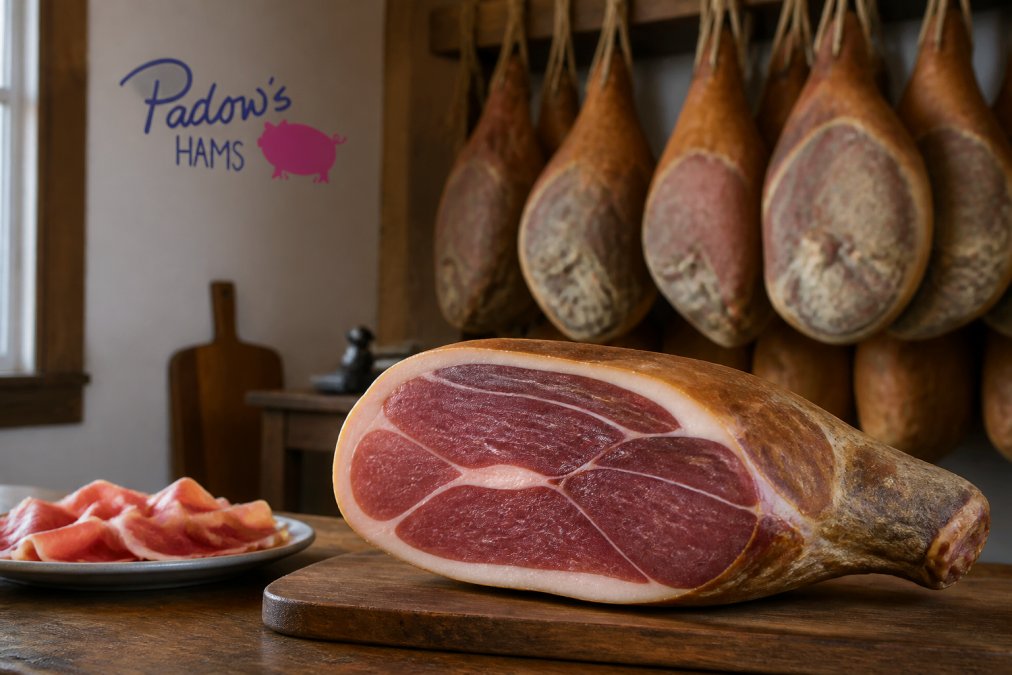
The curing room does half the work. Cool, humid air lets the salt move evenly through the meat while the outside dries into a firm rind. That rind protects the interior during aging and is a hallmark of traditional methods. Mold development on the surface is normal and expected. It is scrubbed off before cooking, not a sign of spoilage.
Climate matters here more than most guides admit. Virginia's cool winters and humid summers create the slow, steady drying that gives country ham its concentrated flavor. Move the same process to a hot, dry climate and the meat dries too fast, trapping salt unevenly. This is why curing is regional, and why the tradition took root where it did.
How Long to Soak Country Ham Before Cooking
Soak a country ham for 12 to 24 hours in cold water, changing the water two or three times. For a whole ham, plan on the full 24 hours. For a half ham or smaller cut, 12 hours is usually enough. Soaking pulls excess salt from the meat so the finished ham tastes savory, not briny.
Here is the practical sequence:
- Scrub the rind under cold running water with a stiff brush to remove mold and surface salt.
- Place the ham in a large pot or clean cooler and cover it completely with cold water.
- Soak 12 to 24 hours, changing the water every 6 to 8 hours.
- Remove the ham, discard the soaking water, and pat the surface dry.
A common mistake is skipping the scrub. The rind holds a heavy layer of salt and mold that no amount of soaking will fix if you leave it on.
How to Cook Country Ham So It Stays Tender and Savory
Cook country ham by simmering it low and slow, then finishing it in the oven or on the stovetop to brown the surface. Simmering keeps the meat tender while the final sear builds flavor. Never boil a country ham hard; high heat tightens the muscle fibers and turns the texture rubbery.

The stovetop-to-oven method works for most whole hams:
- Place the soaked, scrubbed ham in a large pot and cover with fresh cold water.
- Bring to a bare simmer, then reduce heat and cook 20 minutes per pound.
- Remove the ham, trim the rind, and score the fat in a diamond pattern.
- Bake at 325°F for 20 to 30 minutes to brown the surface.
For a smaller half ham, you can pan-fry slices in a dry skillet for 2 to 3 minutes per side. The natural fat renders out and does the work. No oil needed.
Slicing Techniques and Serving Suggestions for the Table
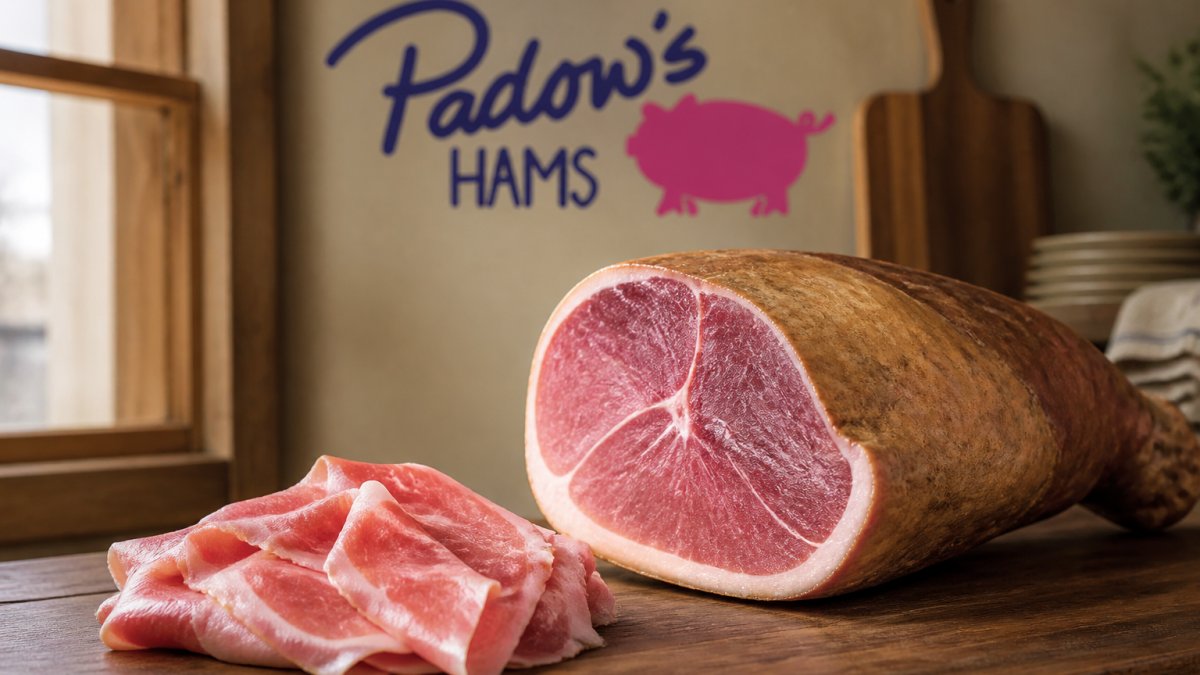
Slice country ham thin, against the grain, on a slight angle. Thin slices taste less salty and chew more tenderly than thick ones. A sharp knife and a steady hand matter more than any gadget here.
Serve slices warm on biscuits, layered into a breakfast plate with eggs and grits, or diced into soups and greens for a hit of umami. A whole baked ham on a platter with the scored fat facing up makes a holiday centerpiece that needs no garnish.
How to Identify Authentic Virginia Ham vs. Mass-Produced Ham
The word "Virginia" on a package is not a regulated guarantee. It can describe a ham that was dry-cured and aged for months, or a wet-cured ham that was simply processed in the state.
Start with the storage location. A true dry-cured country ham is shelf-stable and hangs or sits at room temperature in the store.
Then read the ingredient line. A dry-cured country ham lists pork and salt.
Check for a cure designation. Country hams are often stamped or labeled with a cure description such as "dry cured," "aged," or a number of months. Some carry a USDA inspection legend and a state or regional cure mark.
Use your hands if you can. A whole country ham is firm, dense, and heavy for its size, with a dry rind that may carry surface mold. A wet-cured ham is springy, wet to the touch, and noticeably lighter.
A few markers to check before you buy:
- Rind: Firm and dry means dry-cured. No rind or a slick surface means wet-cured.
- Storage: Room temperature means shelf-stable and aged. Refrigerated means brined.
- Ingredient line: Pork, salt, and maybe sugar means country ham. Water, phosphates, and flavorings mean city ham.
- Cure language: "Dry cured" or an aging period means country ham. "Virginia style" with no cure term is a wet-cured product.
- Color and texture: Deep red and dense means long curing. Pale pink and springy means a short brine.
If the package says "fully cooked" and needs refrigeration, it is a city ham. Nothing wrong with that, but it is not the same product, and it will not behave the same way in a recipe.
Pairing Guide: Wine, Cheese, and Sides for Cured Ham
Country ham is salty, fatty, and intensely savory, so the job of anything you serve with it is to cut the salt or balance the fat. That single rule explains almost every classic pairing.
Wine. The best matches are high-acid and either sparkling or off-dry. A dry sparkling wine works because the bubbles and acidity scrub the palate between salty bites.
Cheese. Go sharp and aged. An aged cheddar, a nutty Gruyère, or a crumbly blue all have enough intensity to stand next to country ham. Mild cheeses such as brie or fresh mozzarella disappear behind the salt.
Sides. The classics work because each one balances the ham in a specific way:
- Buttermilk biscuits, bland starch that carries the salt.
- Red-eye gravy, coffee and ham drippings that echo the savory notes.
- Braised greens, bitter and slightly acidic, cutting the fat.
- Baked sweet potatoes, natural sweetness that offsets the cure.
- Pickled vegetables, acid and crunch that reset the palate.
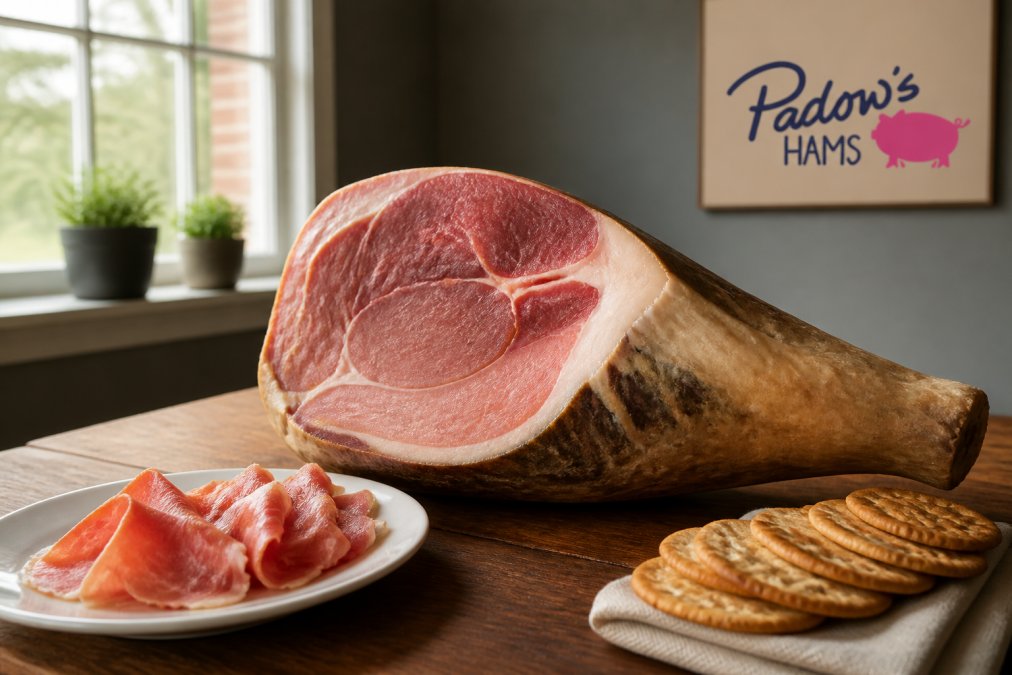
Building a board. Arrange thin slices of country ham with two or three sharp cheeses, apple or pear wedges, whole-grain mustard, and a handful of pickles or pickled okra. Add biscuits or crackers on the side.
Nutrition and Dietary Considerations for Cured Meat
Cured meat is high in protein and high in sodium. A typical serving of country ham delivers a meaningful amount of protein along with a concentrated dose of salt from the cure. If you watch your sodium intake, treat country ham as an occasional centerpiece rather than a daily protein.
A few practical notes:
- Soaking removes some surface salt, but it does not make country ham a low-sodium food.
- Portion size matters more than anything. Thin slices go further than thick ones.
- Pair ham with fresh vegetables and unsalted sides to balance the plate.
- If you are on a sodium-restricted diet, check with your doctor before making country ham a regular part of your meals.
Frequently Asked Questions
What is the difference between Virginia ham and country ham?
Virginia ham is a type of country ham made with the Virginia salt cure, a dry-cured, salt-rubbed method tied to the state's colonial history. Country ham is the broader category of dry-cured, aged pork made across the South. So all Virginia ham is country ham, but not every country ham follows the Virginia cure or earns the same savory, umami-rich flavor profile.
How long should I soak country ham before cooking?
Soaking time depends on the ham's size and how salty it tastes. Many cooks soak a whole country ham 12 to 24 hours in cold water in the refrigerator, changing the water several times. Smaller pieces or slices may need only a few hours. Always check the label or your supplier's instructions, since curing times and salt levels vary by producer.
How do I know if a Virginia ham is authentic and not mass-produced?
Look for a firm, dry rind, visible marbling, and a deep mahogany color from aging. Authentic hams are salt-cured and aged for months, not injected with brine or water. Ask about the curing method, aging period, and whether the ham is shelf-stable without refrigeration, all signs of traditional dry-cured craftsmanship.
How should authentic Virginia ham be prepared and served?
Soak the ham to pull out excess salt, then cook it slowly by simmering, baking, or frying thin slices. Serve it sliced thin on biscuits, in a holiday spread, or alongside cheese and wine. Leftover pieces work well in soups and casseroles. Because the meat is heavily cured, a little goes a long way on the plate.
Hosting a holiday feast or sending a corporate gift means choosing a ham that actually tastes like tradition, not a brined shortcut. Padow's Hams Co. has delivered handcrafted Virginia country hams since 1936, cured for three months by a Virginia distributor who follows the Virginia salt cure recipe, with nationwide shipping that brings the real thing to your table. Shop Now and give your guests a centerpiece worth carving.