 blog
blog
Best Mail Order Southern Specialties: 2026 Buying Guide
Table of Contents
- What Makes Southern Specialties Worth Shipping
- Mail-Order Country Ham: What to Look For
- Virginia Peanuts Gift Box: A Crowd-Pleasing Southern Staple
- Gourmet Food Gifts for Employees: Picking Something They'll Remember
- Southern Holiday Food: Building a Traditional Feast
- Shipping, Packaging, and Shelf Life for Mail-Order Food
- How to Choose the Best Mail Order Southern Specialties
- Frequently Asked Questions
Last Updated: October 15, 2026
What Makes Southern Specialties Worth Shipping
The best mail order southern specialties solve a simple problem: they let you serve food with real regional character without living near the region that made it famous.
That last point matters: a gift or holiday centerpiece only feels special if it lands on the table looking worth the effort, not like a project.
What separates a specialty worth shipping from a novelty you'd regret? Preservation, provenance, and packaging. Country ham, cured peanuts, and shelf-stable gift boxes travel well because their flavor was built to last.
The 2026 buying guide below breaks down what to look for in each category, from cure times to gift-box logistics.
Mail-Order Country Ham: What to Look For
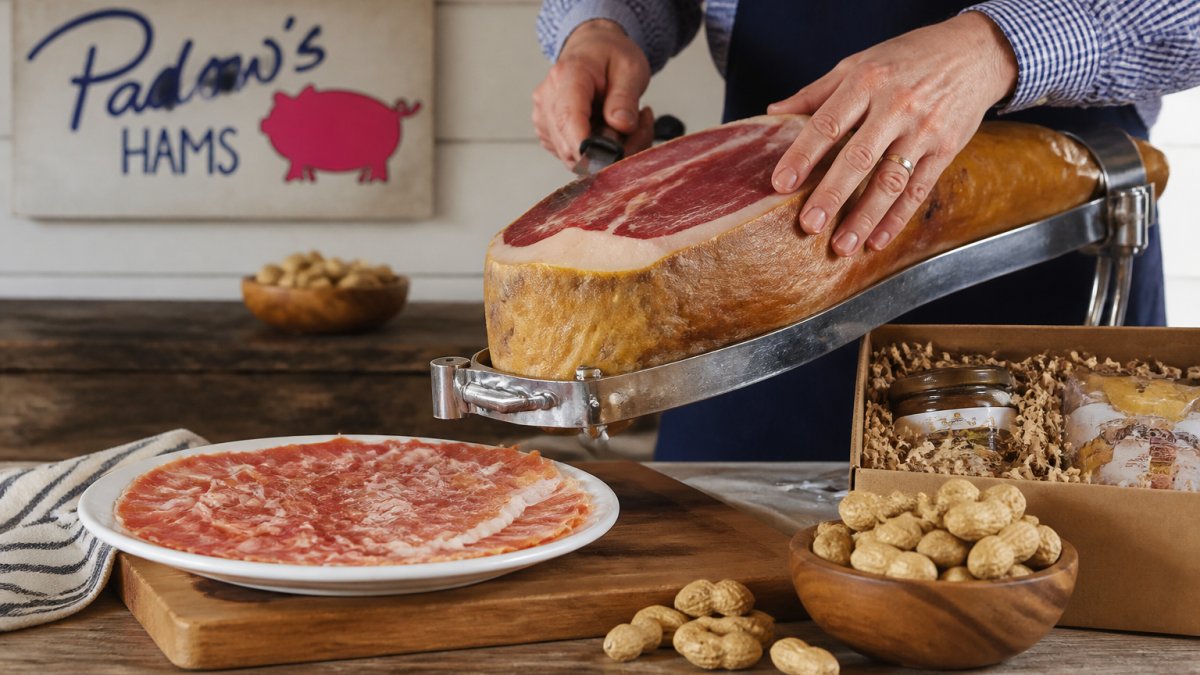
Mail-order country ham is a dry-cured, salt-cured pork leg aged for flavor and shipped whole, half, or sliced.
Look for three things on any product page: how the ham was cured, how long it aged, and whether the seller describes the cure honestly. Virginia salt cure is a dry rub of salt and time, not a brine injection, and that changes both texture and taste.
Cure, Aging, and Why 3 Months Matters
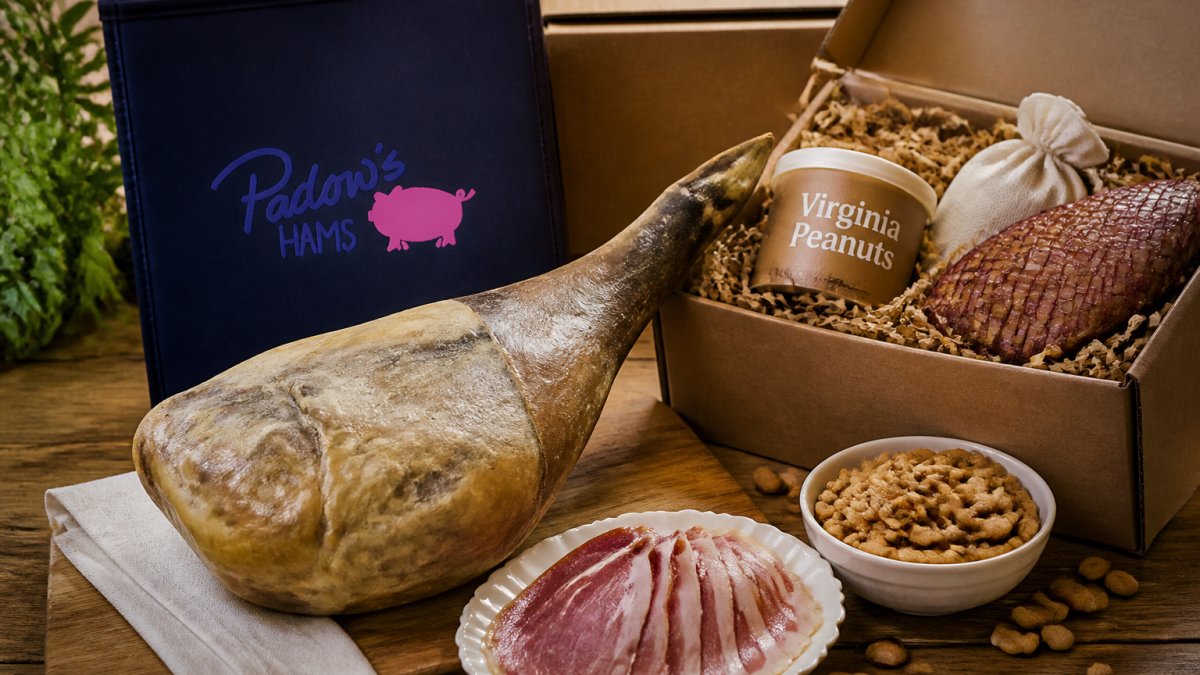
Three months is the benchmark for a properly cured country ham, and it separates real craftsmanship from shortcuts. Our hams are cured for three months by a Virginia distributor who follows the traditional Virginia salt cure recipe.
A three-month cure lets salt penetrate evenly and the meat develop the dense, savory character country ham is known for. Shorter cures can leave uneven seasoning or a texture that doesn't slice cleanly. When comparing mail-order country ham, ask how long the cure runs. If a seller won't say, that's your answer.
Virginia Peanuts Gift Box: A Crowd-Pleasing Southern Staple
A Virginia peanuts gift box works as a Southern specialty because the peanut itself is a regional product with a distinct size and crunch, and it ships without cold-chain worries.
That durability is the quiet advantage: nuts don't need refrigeration, don't bruise in transit, and hold up for weeks on a desk or counter.
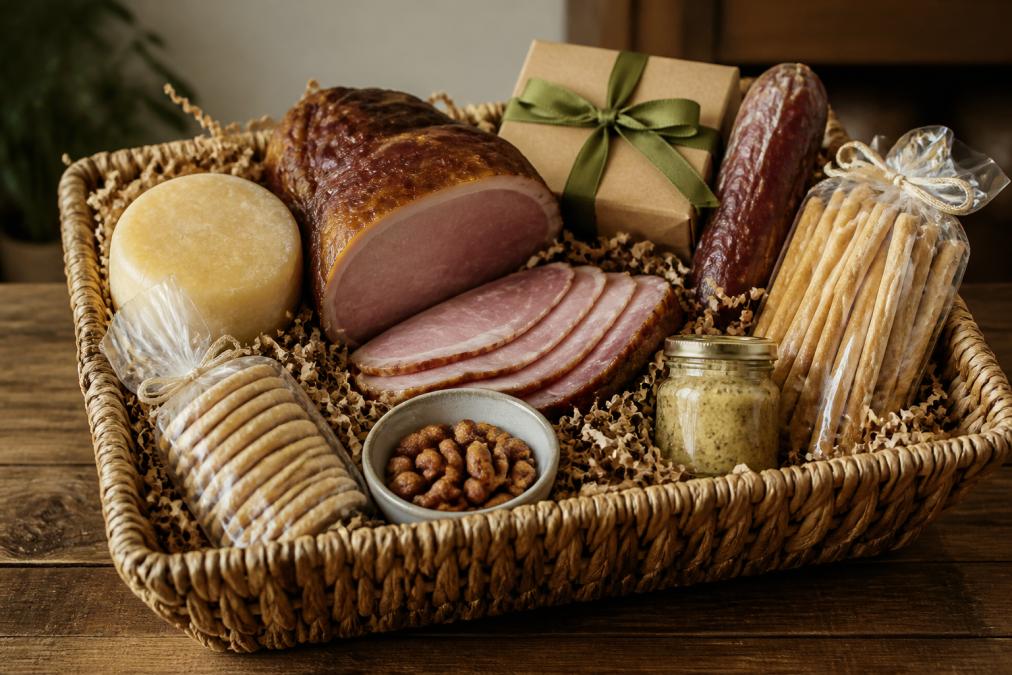
A good gift box pairs the peanuts with complementary Southern items so it reads as a curated gift rather than a single bag in a box. Buying for a group?
- Whole or shelled peanuts: best for snacking and sharing
- Flavored varieties: salted, honey-roasted, or spicy for variety
- Paired gift boxes: peanuts combined with other Southern staples
- Bulk options: practical for offices and larger client lists
Gourmet Food Gifts for Employees: Picking Something They'll Remember
Gourmet food gifts for employees succeed when they feel personal and shareable rather than generic, and Southern specialties fit that brief better than most corporate options. Branded merchandise gets used once; a gift box of Virginia peanuts or a country ham gets opened at home, shared, and remembered.
The practical test for corporate gifting is simple: would the recipient tell someone else about it? Food with a regional story passes that test because it invites a conversation. "This ham is from a Virginia cure done the same way for generations" beats "this came from the company."
Keep three things in mind when choosing:
- Shareability: pick items a recipient can split with family or coworkers
- Shelf life: choose preserved or shelf-stable items so timing isn't stressful
- Presentation: a well-packed gift box signals care before it's even opened
Ordering in volume also means you need a seller who can handle multiple shipments to different addresses without mixing up orders. Confirm that before you commit to a large list.
Southern Holiday Food: Building a Traditional Feast
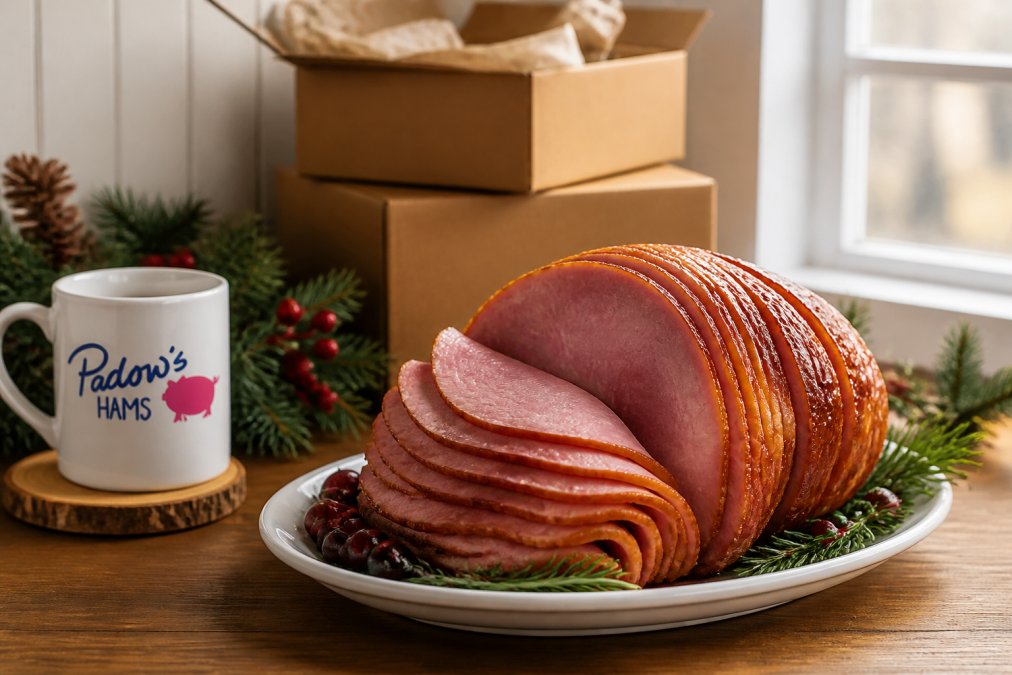
A traditional Southern holiday spread is built around a centerpiece that anchors the meal, and a country ham is the classic choice because it feeds a crowd and improves as leftovers. The sides turn one dish into a feast.
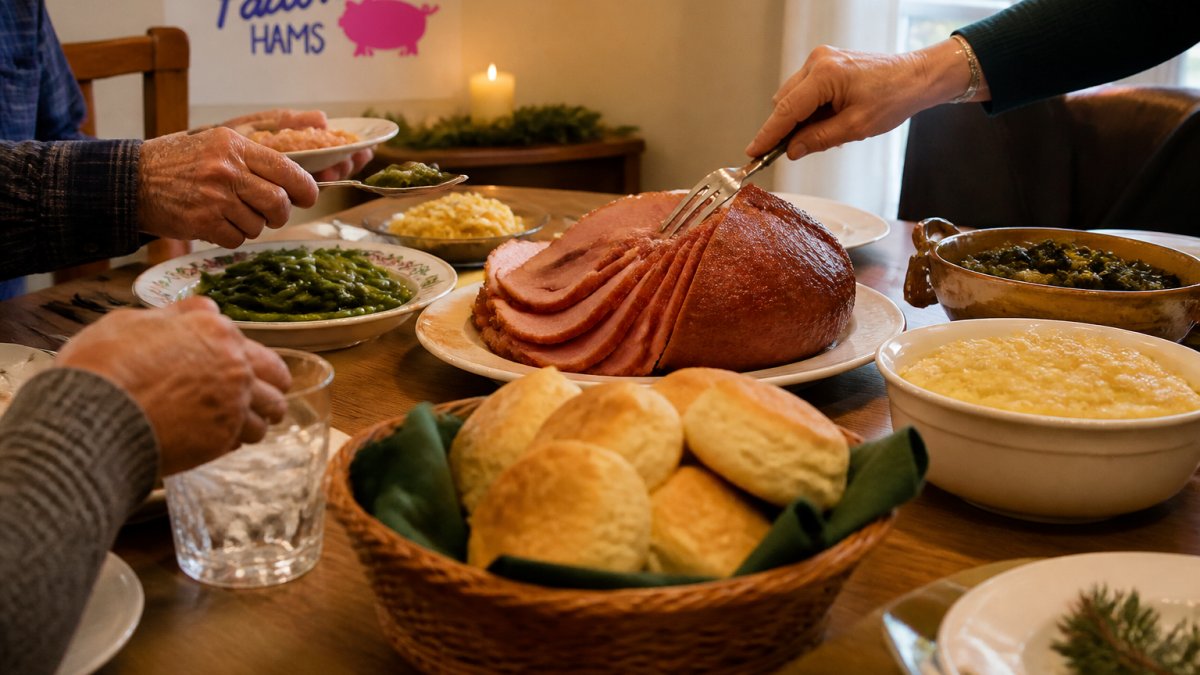
What separates a holiday ham from a weeknight ham is the cure. A dry-cured, salt-cured country ham is preserved on purpose, so it arrives fully seasoned and shelf-stable. The host isn't racing to brine, season, or time a fresh roast on the day guests arrive, the work happened months earlier, in the cure.
How to Build the Plate Around the Ham
Start with the ham as the anchor, then build outward. A common pattern for a Southern table is:
- The centerpiece: sliced country ham, served thin so the salt stays balanced across each bite
- A bread: buttermilk biscuits or yeast rolls, which soak up the ham's savory drippings
- A green: collards, mustard greens, or green beans, cooked low and slow
- A starch: mashed potatoes, sweet potato casserole, or rice
- A Southern accent: a dish of spiced or roasted Virginia peanuts, which guests rarely expect on a holiday table but always finish
- A dessert: pecan pie or a simple pound cake
That structure works because each dish plays a different role: salty, soft, bitter, sweet. The ham carries the meal, so the sides are supporting cast, not a rescue operation.
Timing the Meal Around a Cured Ham
The advantage of a cured ham for holiday hosting is timing. Because it's already cured and full of flavor, the host isn't racing to season and cook a fresh roast at the last minute. Heat, slice, and serve. That leaves attention for the sides and the guests.
A few practical notes that most holiday guides skip:
- Slice thin, against the grain. Thick slices of country ham can taste overwhelmingly salty; thin slices let the cure read as flavor rather than salt.
- Let slices rest at room temperature for a few minutes before serving. The flavor opens up.
- Plan for leftovers on purpose. Country ham is one of the few centerpieces that improves the next day, which makes it a strong choice for a holiday that stretches across multiple meals.
- Pair with something sweet or starchy. Biscuits, sweet potato, or a fruit preserve balances the salt better than another savory side.
If you're hosting for the first time, resist adding every traditional dish at once. Pick the centerpiece, three or four sides, and one dessert. A focused table beats a crowded one.
Shipping, Packaging, and Shelf Life for Mail-Order Food
Shipping, packaging, and shelf life decide whether a mail-order Southern specialty arrives in good condition, and preserved items have a clear edge over fresh ones. Cured ham and roasted peanuts are shelf-stable, so they tolerate transit far better than anything perishable.
Most mail-order guides treat shipping as an afterthought. It isn't, how a product is cured and packed determines whether it survives the trip.
What to Expect When a Shipment Arrives
A well-packed shelf-stable order usually arrives in a sturdy corrugated box with cushioning and a clear outside label. Because cured ham and roasted peanuts don't require refrigeration in transit, there's no cold pack to leak and no ice to melt through the box.
When the box lands:
- Inspect the packaging first. A crushed or damp box is a signal to check the contents before storing them.
- Unpack promptly. Even shelf-stable items do better out of a hot delivery truck than sitting in one.
- Store in a cool, dry place. A pantry shelf works for cured ham and sealed peanuts; a hot garage does not.
- Refrigerate after opening if the item won't be eaten within a few days, especially sliced ham.
- Check for a message card if the order is a gift, and confirm the recipient's name is correct before it ships.
Cold Chain vs. Shelf-Stable: The Real Trade-Off
Here's how the main categories compare on the logistics that matter most:
| Item | Cold Chain Needed | Typical Shelf Life | Ships Nationwide |
|---|---|---|---|
| Cured country ham | No | Long, when stored properly | Yes |
| Virginia peanuts | No | Weeks to months | Yes |
| Gift boxes | No | Varies by contents | Yes |
| Fresh produce | Yes | Days | Limited |
The takeaway: if you want a gift or holiday centerpiece that arrives reliably no matter the distance, choose items preserved on purpose. Curing and roasting aren't just flavor decisions; they're shipping decisions.
Packaging Details That Signal a Serious Seller
Packaging matters too. A sturdy box, proper cushioning, and clear labeling protect both the product and the impression it makes. Check whether the seller describes how items are packed, and whether gift boxes can include a message card.
A few specifics worth confirming before you buy:
- Whether the item ships whole, half, or sliced, sliced ham is easier to serve but has a shorter window once opened
- Whether the box is designed for gifting or just for transit
- Whether multiple-address orders are handled cleanly if you're sending to a list
- Whether the seller states a shipping window so you can time a holiday delivery
Shelf Life, Plainly Stated
Shelf life is where preserved Southern specialties earn their reputation. A cured country ham, stored properly, holds far longer than a fresh roast and doesn't need refrigerator space until sliced. Roasted peanuts hold for weeks to months sealed. Gift boxes inherit the shelf life of their contents, so a box built around cured and roasted items is safer than one built around perishables.
The practical rule: the more a product was preserved on purpose, the less the shipping timeline matters. That's the quiet advantage of buying Southern specialties by mail.
How to Choose the Best Mail Order Southern Specialties
Choosing the best mail order southern specialties comes down to matching the item to the occasion, then confirming the seller can deliver it in good shape. Use this checklist:
- Confirm the cure or preservation method and, for ham, the cure length
- Check that the item is shelf-stable or properly cold-chained
- Read how the seller packs and ships gift orders
- Match the item to the occasion: centerpiece, snack, or corporate gift
- Verify the seller ships nationwide to your recipient's address
- Look for a message or gift option if it's a present
For a holiday centerpiece, a cured country ham earns its place. For a lighter gift or a corporate list, a Virginia peanuts gift box is the safer, more shareable pick. For a gift that covers both, a combined box does the job.
Padow's Hams Co. has been family-owned and operated since 1936, and our Virginia country hams and gourmet Southern specialties ship nationwide. Start with what the occasion calls for, and let the cure and packaging confirm the choice.
Choosing Southern specialties for a gift or holiday table means balancing flavor, tradition, and the practical realities of shipping.
Frequently Asked Questions
What Southern specialties can you order by mail?
Country ham, Virginia peanuts, gift boxes, and other Southern pantry staples ship well when packed correctly. Look for vendors that use insulated packaging and offer nationwide delivery. Padow's Hams Co. has shipped Virginia country ham and gourmet Southern specialties since 1936, so you can order a centerpiece or a gift box without worrying about spoilage in transit.
How do you choose gourmet food gifts for employees?
Pick items that travel well, arrive in presentable packaging, and feel personal without being perishable in a bad way. A Virginia peanuts gift box or a small country ham is a practical choice because it keeps for weeks and suits a range of tastes. Order early for corporate gifting, confirm shipping addresses, and ask about bulk delivery options before the holiday rush.
How long does a mail-order country ham last once it arrives?
A cured country ham is shelf-stable for months when stored in a cool, dry place, and longer if refrigerated. Once you slice it, wrap the cut portions tightly and refrigerate them. If you plan to serve it for a Southern holiday food spread, slice only what you need and keep the rest whole to preserve moisture and flavor.
What sides pair well with country ham for a holiday meal?
Biscuits, grits, red-eye gravy, green beans, and sweet potato casserole are classic pairings. A Virginia peanuts gift box works as an appetizer or host gift alongside the meal. If you are ordering Southern specialties by mail, add a few shelf-stable sides to your box so everything arrives together and you can focus on heating and serving.