 how-to
How to Bring Southern Heritage Into Your Holiday Menu
Last Updated: November 4, 2026
Quick Summary
A Southern holiday menu is built around a traditional centerpiece, usually a country ham, supported by a balanced lineup of savory, tangy, and sweet sides. Plan sizes by guest count, choose three or four sides, and adapt heirloom recipes carefully for modern diets. Padow's Hams Co. ham cured for 3 months is a strong anchor.
- Choose a country ham as the centerpiece, since it anchors the table and sets the meal's tone.
- Plan a smaller ham for 4 to 6 guests, a larger one for 8 to 12, and more than one main for 15 or more.
- Start with three or four sides: one starch, one green, one tangy item, and one sweet option.
- Confirm every ingredient, including stock and fat, before serving guests with dietary restrictions.
- Write down family recipe details and their origins so the specifics are preserved for the next generation.
Table of Contents
- Start With the Centerpiece: Choosing a Traditional Southern Main
- Build the Side Dish Lineup Step by Step
- Set Out Southern Holiday Appetizers That Welcome Guests
- Adapt Heirloom Recipes for Modern Kitchens and Diets
- Keep Regional Traditions Alive Across the South
- Extend the Tradition With Southern Food Gifts for Employees
- Frequently Asked Questions
Start With the Centerpiece: Choosing a Traditional Southern Main
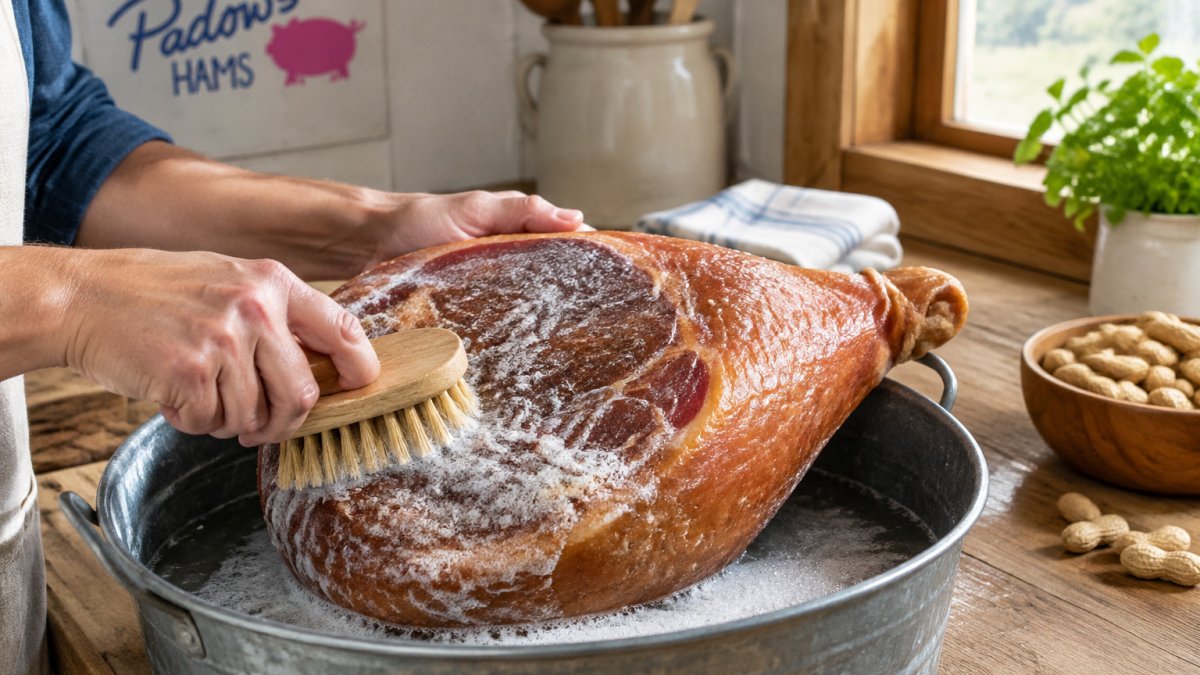
Every Southern holiday menu needs a main that people talk about long after dinner. For most families, that centerpiece is a country ham. A country ham gives the meal its unmistakable Southern character, and pairing it with the customs of a traditional Southern dinner can make the whole table feel rooted in home and history.
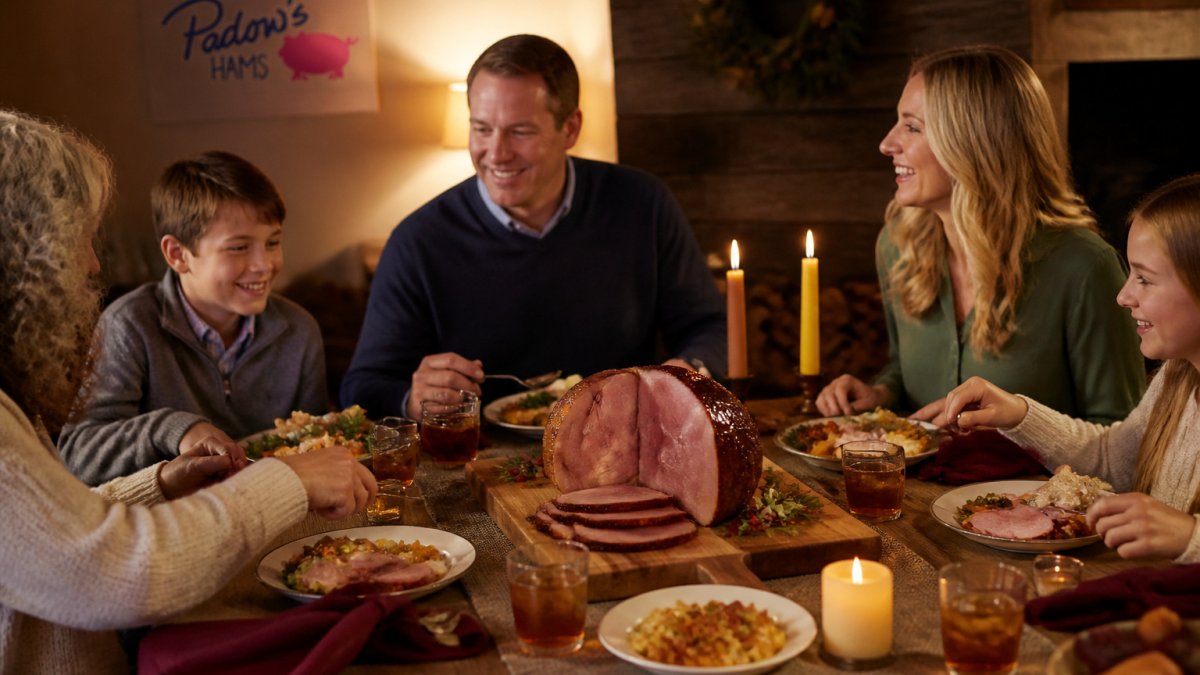
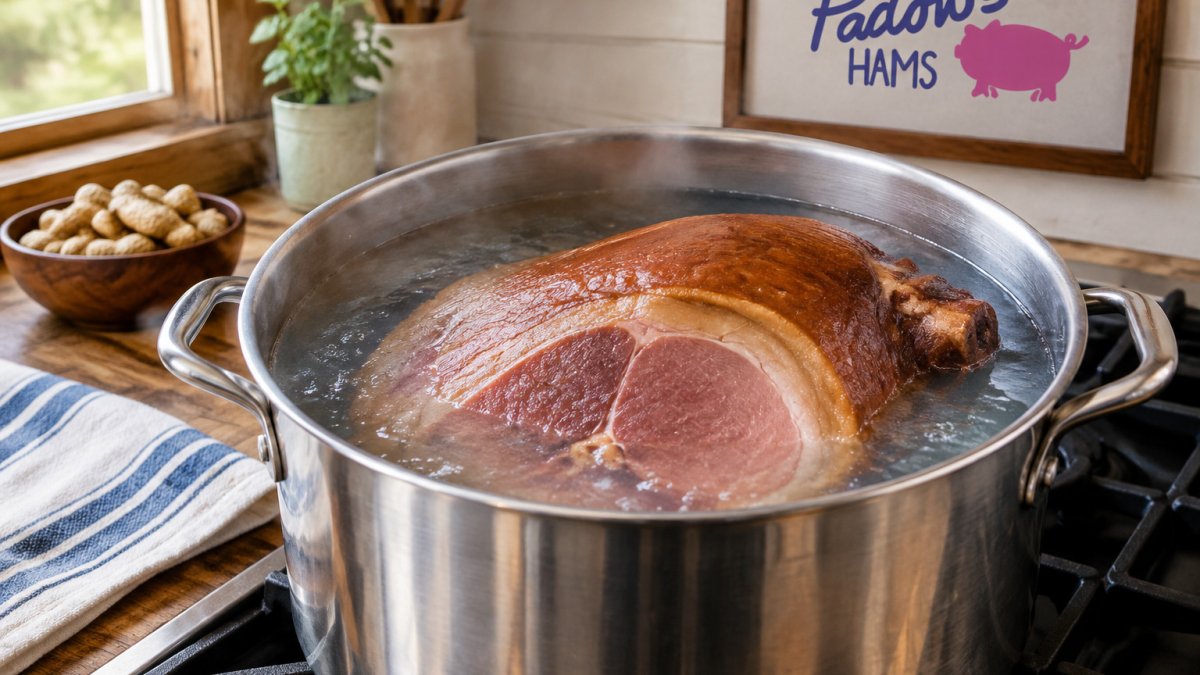
At Padow's Hams Co., our hams are cured for 3 months using a traditional Virginia salt cure recipe. That slow curing gives the meat its rich, full flavor. Our hams are made by a Virginia distributor that follows that recipe.
Why a Cured Ham Anchors the Table
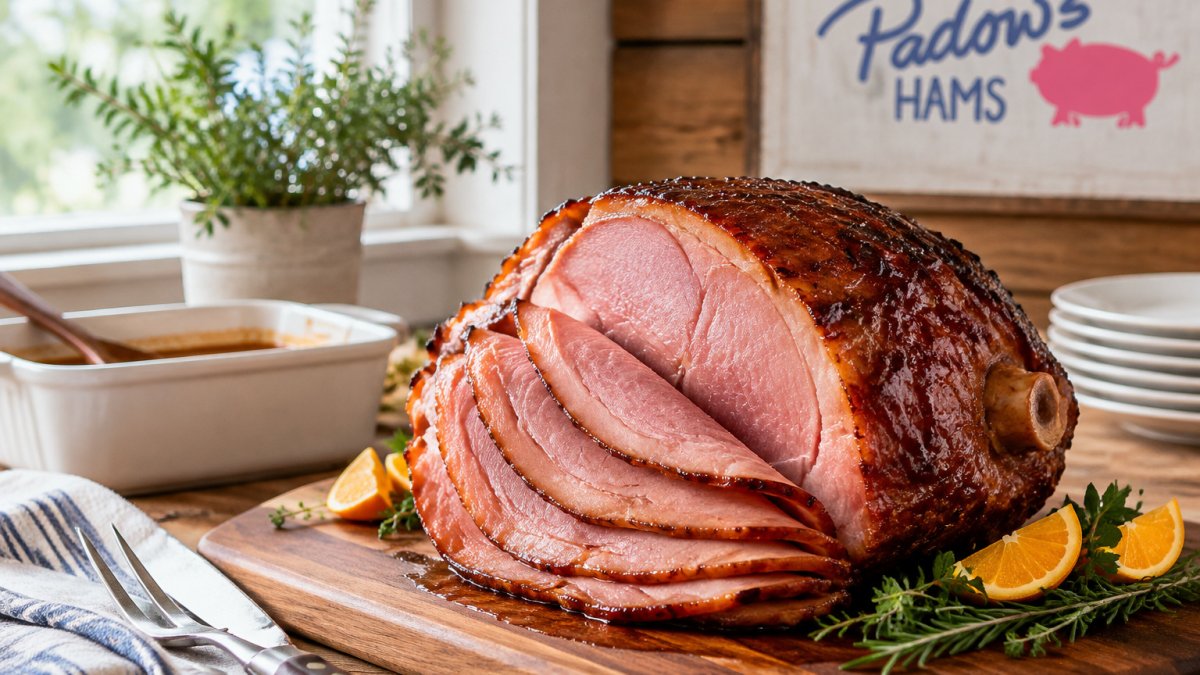
A cured ham gives your guests something to gather around. It carries the flavor of the meal, and it sets the tone for everything else on the table. Carving the ham is also a moment many families look forward to.
- It serves as a natural centerpiece for the main course
- It pairs well with sweet and tangy sides
- It can be sliced thin for sandwiches the next day
- It holds up well as leftovers
A good cured ham does more than fill the plate. It connects the meal to the tradition behind it.
Planning Around Your Guest Count
Before you choose a ham for your Southern holiday menu, think about how many people you will feed. A rough plan helps you avoid running short or ending up with too much.
- Small gathering (4 to 6 guests): A smaller ham is usually enough, with room for leftovers
- Medium gathering (8 to 12 guests): Plan for a larger ham and a few additional sides
- Large gathering (15 or more guests): Consider a bigger ham or more than one main
Build the Side Dish Lineup Step by Step
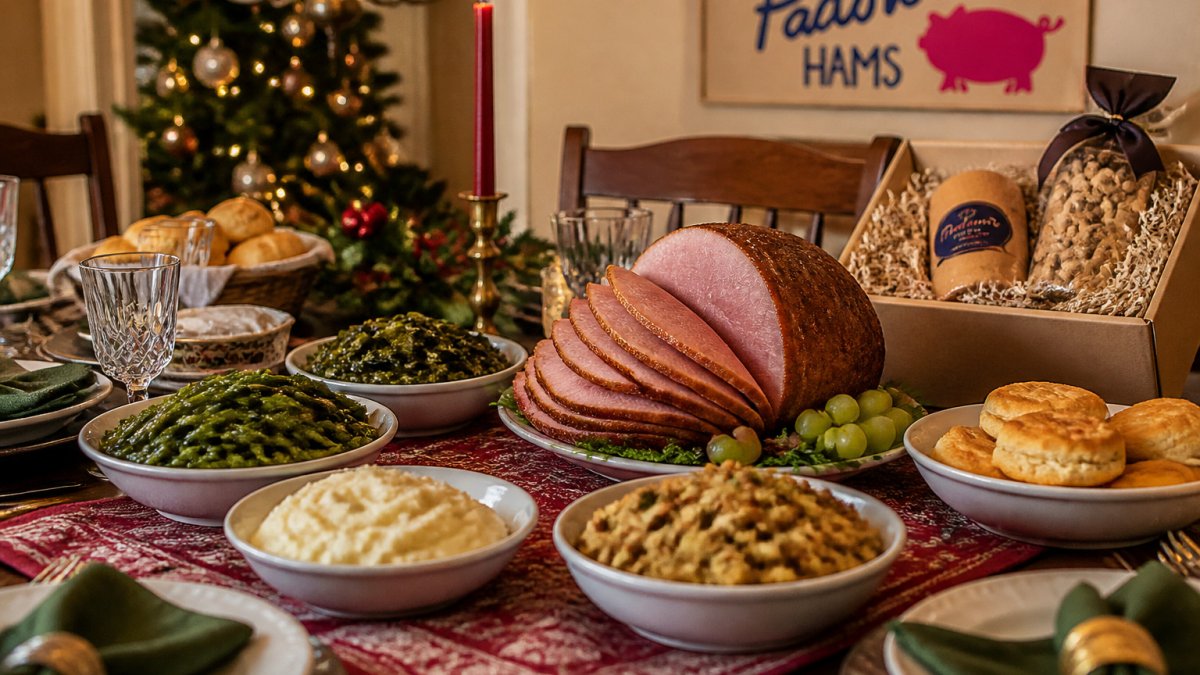
Side dishes are where Southern holiday cooking really shines. A good lineup balances savory, sweet, and tangy flavors so each bite feels complete.
Start with three or four sides, then add more only if you have room and time. Most hosts find that a simple, well-planned spread works better than a crowded one.
Here is a simple way to build your lineup:
- Choose one starch, such as mashed potatoes, sweet potato casserole, or cornbread dressing
- Add one green vegetable, such as collard greens or green beans
- Include one tangy side, such as a pickled item to cut through the richness of the ham
- Finish with one sweet option, such as a pie or pudding
Pickles are a classic pairing with a country ham. Their sharp bite helps balance the salty, rich meat.
Set Out Southern Holiday Appetizers That Welcome Guests
Appetizers set the mood before dinner starts. They give guests something to nibble while they catch up, and they help the host feel less rushed in the kitchen.
A Southern charcuterie board is an easy way to welcome people. Pair thin slices of cured meat with cheese, crackers, pickles, and fresh fruit. For a full guide, read our article on how to build a Southern charcuterie board for beginners.
Keep the spread simple. Three or four bites per guest is usually plenty before dinner.
Adapt Heirloom Recipes for Modern Kitchens and Diets
Many heirloom Southern recipes were built for a different kitchen and a different pantry, and often for a household doing harder physical work than most of your guests do today. You can keep their character while making them work for modern cooks and guests with dietary needs, but the changes have to be made dish by dish. Blanket substitutions tend to flatten the flavor that made the recipe worth keeping.
Start With the Dishes That Adapt Cleanly
Some heritage dishes are already close to modern dietary patterns and need little adjustment. Collard greens cooked with a smoked turkey wing instead of pork still taste like greens. Black-eyed peas and field peas are naturally gluten-free and high in fiber. Cornbread made from scratch with cornmeal, buttermilk, and eggs is gluten-free as long as you confirm your cornmeal is not processed on shared equipment with wheat.
Other dishes need more care. Sweet potato casserole with a marshmallow topping is the hardest to lighten without losing what people remember, because the marshmallow is the point for many families.
Gluten-Free Adjustments That Hold Up
- Dressing: Cornbread dressing is naturally gluten-free if your cornbread is. The risk is the bread component, many families mix in white bread or biscuits. Swap those for extra cornbread and add a little more stock to keep the texture right.
- Gravies and sauces: Wheat flour is the traditional thickener. Cornstarch or a gluten-free flour blend works, but use about half the amount of cornstarch by volume and whisk it into cold liquid before adding heat.
- Pies: A lard or butter crust can be made with a gluten-free flour blend, but expect it to be more fragile. Press it into the pan rather than rolling and lifting it.
Plant-Forward Options That Do Not Feel Like an Afterthought
Offering a vegetable-forward side is not the same as offering a vegetarian main. A plate of plain roasted vegetables next to a ham reads as a side dish, and vegetarian guests will notice.
Watch out: do not assume a dish is vegetarian because it looks like vegetables. Greens, beans, and dressing are frequently cooked with pork or chicken stock. If you are cooking for guests with dietary restrictions, confirm every ingredient, including the stock and the fat used to sauté.
Prep-Ahead That Actually Saves Time
Casseroles and dressings can be assembled a day ahead and refrigerated, but the texture changes. Dressing absorbs liquid as it sits, so hold back about a quarter of the stock and add it just before baking. Sweet potato casseroles freeze well before baking; add the topping the day of so it does not turn soggy. Greens taste better made a day ahead, the flavors settle, so they are the best candidate for getting out of the way early.
The goal is to keep the flavors family members remember while making the meal easier to cook and easier to share with everyone at the table.
Keep Regional Traditions Alive Across the South
The South is not one single food tradition. A holiday menu built on Lowcountry roots looks different from one shaped by Appalachian or Gulf Coast cooking, and knowing which tradition you are drawing from helps you build a menu that actually holds together instead of one that just piles Southern-sounding dishes on a table.
Three Regional Traditions Worth Knowing
Lowcountry (coastal South Carolina and Georgia). The holiday table leans on rice, which has deep roots in the region's history. Look for red rice, rice-based dressings, and benne seed cookies.
Appalachian (mountain South). The cooking is built on what keeps and what stores well through winter: cured pork, dried beans, cornmeal, apples, and root vegetables.
Gulf Coast (coastal Louisiana, Mississippi, Alabama, and the Florida Panhandle). Expect French and Spanish influences layered over African and Caribbean cooking. Oyster dressing, mirliton (chayote) dishes, and praline-style sweets are common.
How to Blend Regions Without a Muddled Menu
Pick one regional tradition as your anchor and let the others appear as accents. A Lowcountry anchor might mean rice dressing as the starch and benne cookies for dessert, with one Appalachian side like leather britches as a nod to a branch of the family.
Watch out: do not label a dish as belonging to one region if your family's version came from another. The details, which fat, which seasoning, which cut, are what make the dish recognizable to the people who grew up with it, and getting them wrong is the fastest way to hear about it at the table.
Write Down What Your Family Actually Does
Ask older relatives for their versions of favorite dishes, and write down the small details: the pinch of a certain spice, the specific cooking time, whether the cornbread goes into a cold pan or a screaming-hot one. Those notes are what make a recipe feel like home, and they are the part that gets lost first. A simple shared document with one recipe per page, plus a note on who it came from, keeps the details alive for the next generation.
Heritage on a Budget
Heritage cooking does not have to be expensive. The dishes that built these traditions were designed around affordable, shelf-stable ingredients: cornmeal, dried beans, field peas, greens, sweet potatoes, and cured pork used as a seasoning rather than the center of the plate.
A common pattern among hosts planning a heritage menu on a tighter budget is to put the money into the main and let the sides do the work of making the table feel abundant. Cornbread, greens cooked with a little smoked pork, and a sweet potato dish cost little per serving and read as generous.
Extend the Tradition With Southern Food Gifts for Employees
Holiday food gifts are a thoughtful way to share Southern hospitality beyond your own table. They work well for coworkers, clients, and friends who appreciate good food.
Padow's Hams Co. offers gift boxes, and our Virginia peanuts also make a nice gift for people who enjoy a classic Southern snack. Browse our holiday food gift guide for more ideas from our catalog. Pricing depends on quantity, delivery dates, and the items you choose, so visit our website or request a quote for current details.
When you plan employee gifts, consider these points:
- Choose a mix of savory and sweet items
- Confirm delivery timing well before the holiday
- Keep packaging simple and easy to share
- Order enough to cover your full list with a little extra
Gifting a piece of Southern tradition is a warm way to close out the season.
Frequently Asked Questions
What are some traditional Southern holiday meals?
Most Southern holiday tables center on a cured or baked ham, along with sides such as collard greens, macaroni and cheese, sweet potato casserole, cornbread dressing and buttermilk biscuits. Dessert often features pecan pie, sweet potato pie or a banana pudding. Families vary by state and by generation, so the best starting point is a few dishes your own family has made for years. Build the rest of the menu around those anchors, adding one or two new items at a time so the meal stays familiar to guests.
What side dishes go with a Southern holiday ham?
Classic pairings include green beans cooked low and slow with bacon, creamed corn, baked sweet potatoes, deviled eggs and yeast rolls or biscuits. Acidic sides such as a vinegar-based slaw or pickled vegetables balance the richness of a salt-cured ham well. Plan for three to five sides so the table feels generous without requiring constant kitchen attention. Prepare casseroles and dressings a day ahead to keep hosting time manageable.
How do you plan a Southern-style holiday menu?
Start by listing the dishes your family expects, then choose one main, three or four sides, a couple of appetizers and one or two desserts. Count guests and plan roughly a half pound of cooked ham per adult as a guideline, adjusting for how many other dishes are on the table. Write a timeline that assigns make-ahead items to the days before the event and reserves the final day for reheating and assembly. A written plan prevents the common mistake of cooking every dish at the last minute.
How can I adapt Southern family recipes for a holiday gathering?
Keep the core flavors that define the dish, such as smoked meat, bacon fat, cornmeal or sweet potato, and change the parts that create logistical problems. Reduce salt in side dishes when serving a salt-cured ham, and offer a lighter vegetable option for guests watching their diet. Scaling a recipe for a crowd works best when you increase the quantities of seasonings gradually and taste as you go. Document the changes on the recipe card so the next holiday starts from your improved version.