 how-to
Artisanal Cured Ham for Thanksgiving: A Host's Guide
Table of Contents
- Why Artisanal Cured Ham Belongs on Your Thanksgiving Table
- Cured Ham vs. Uncured Ham: What's Actually Different
- How Much Ham Per Person for Thanksgiving
- Country Ham Preparation: A Step-by-Step Walkthrough
- Thanksgiving Ham Glaze Ideas That Complement Cured Flavor
- Sides, Storage, and Leftover Ideas
- Conclusion: Make This Thanksgiving One to Remember
- Frequently Asked Questions
Last Updated: October 12, 2026
Why Artisanal Cured Ham Belongs on Your Thanksgiving Table
A whole cured ham solves the hardest problem of Thanksgiving hosting: feeding a crowd something that tastes special without demanding all your attention. At Padow's Hams Co., we've watched that truth play out at family tables for generations.
The centerpiece arrives already full of flavor. You warm it, glaze it, slice it, and serve it. No brine, no panic, no dry turkey breast.
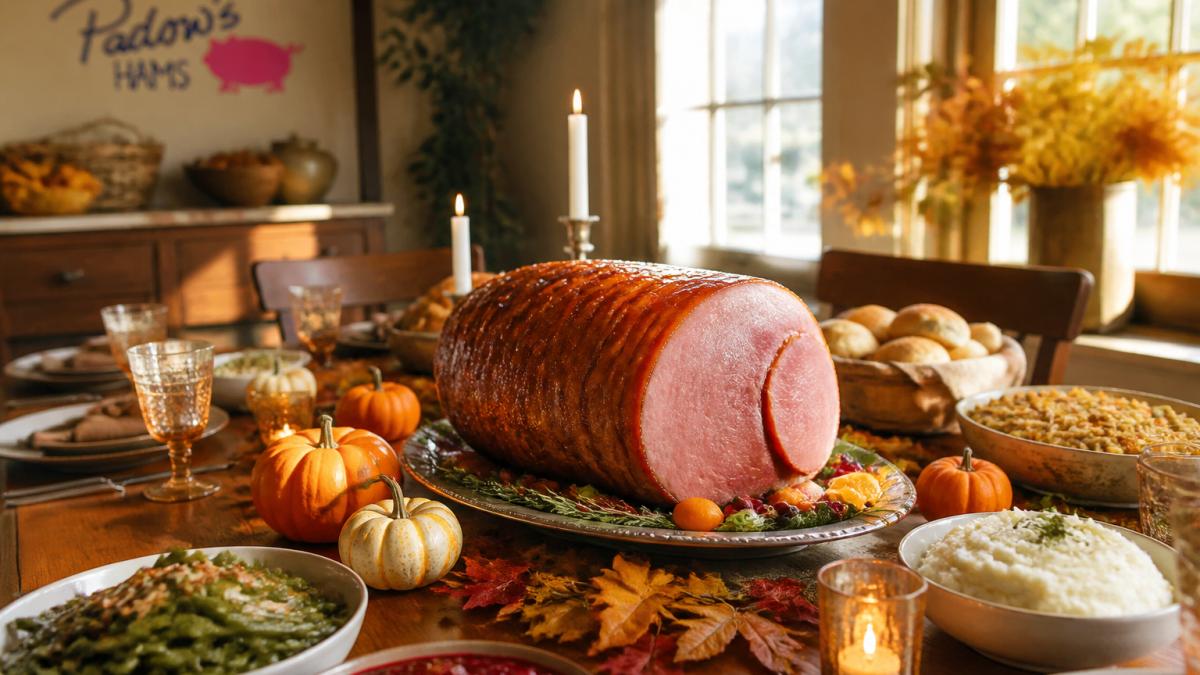
An artisanal cured ham for Thanksgiving works because the hard work happened months earlier. Salt, time, and patience did the heavy lifting. Your oven just finishes the job.
Here's what we'll cover: how curing actually works, how much ham per person, a full country ham preparation walkthrough, and glaze ideas that flatter the salt.
Cured Ham vs. Uncured Ham: What's Actually Different
Cured ham is pork that has been preserved with salt, and sometimes smoke, until the meat firms up and deepens in flavor. Uncured ham is labeled "uncured" but still treated, usually with celery juice or sea salt, which contain naturally occurring nitrates.
So the difference isn't really cured versus uncured. It's how the curing happens and what the label admits.
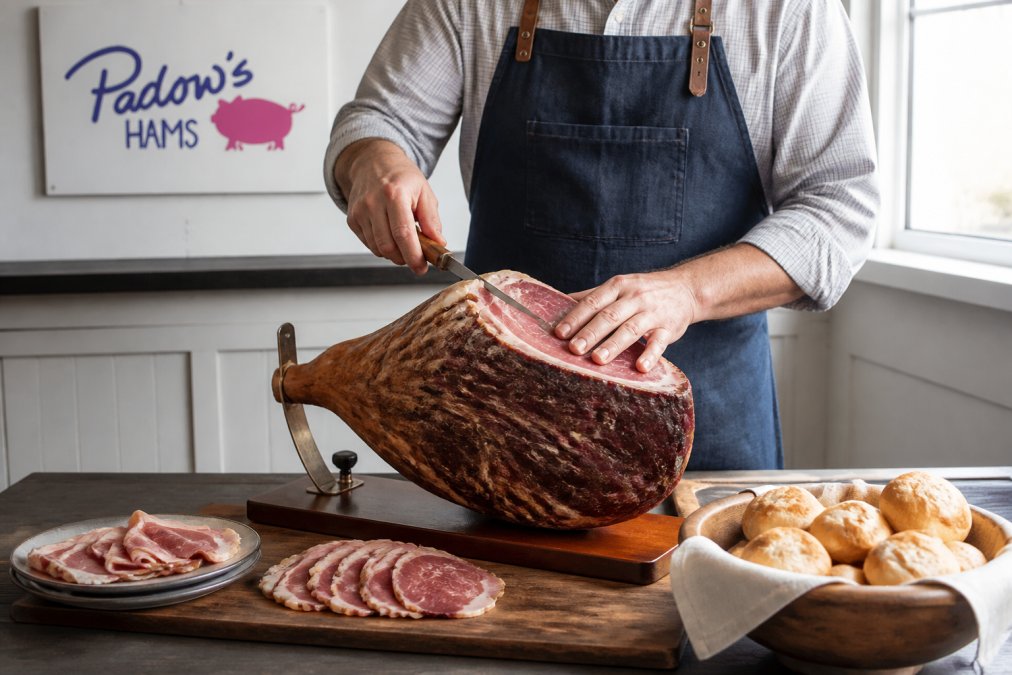
A true country ham takes months. Ours are cured for three months by a Virginia distributor who follows the traditional Virginia salt cure recipe. That slow timeline is what builds the dense texture and savory depth you can't rush.
How Salt Curing Works
Salt pulls moisture out of the meat. Less water means a firmer texture and a flavor that lasts. Over weeks and months, the salt works its way to the center.
The result is a ham that tastes like something, not just something salty.
Reading Labels at the Store
- "Country ham" means dry-cured and aged, often quite salty
- "City ham" means wet-cured or brined, milder and juicier
- "Uncured" means no synthetic nitrates, but still processed
- "Spiral-sliced" tells you nothing about how it was cured
For a Thanksgiving centerpiece with real character, country ham is the one worth seeking out.
How Much Ham Per Person for Thanksgiving
Plan on 3/4 to 1 pound of bone-in ham per person if you want leftovers, and about 1/2 pound per person if you don't. A bone-in ham yields roughly 60 to 70 percent usable meat, so buy bigger than the headcount suggests.
Here's a quick reference:
| Guests | Bone-in Ham (with leftovers) | Boneless Ham (no leftovers) |
|---|---|---|
| 6 | 6-7 lbs | 3-4 lbs |
| 10 | 9-10 lbs | 5-6 lbs |
| 15 | 13-15 lbs | 8-9 lbs |
| 20 | 18-20 lbs | 11-12 lbs |
Two things drive that number up. First, bones and fat don't end up on plates. Second, Thanksgiving guests eat more than you expect.
Country Ham Preparation: A Step-by-Step Walkthrough
Country ham preparation looks intimidating. It isn't. The whole process is mostly waiting.
Total time: 6 to 8 hours, mostly hands-off Difficulty: Beginner
Soaking and Scrubbing
- Rinse the ham under cool running water
- Scrub the surface with a stiff brush to remove any mold or coating
- Soak in cold water, 12 to 24 hours, changing the water twice
- Soak longer for a saltier ham, shorter for a milder one
The soak is your salt control. Taste a small piece after soaking if you want to check before committing.
Simmering, Baking, and Resting
- Place the ham in a large pot and cover with cold water
- Simmer gently, never boil, about 20 minutes per pound
- Drain and let the ham cool enough to handle
- Trim the rind, leaving a thin layer of fat
- Score the fat in a diamond pattern
- Bake at 325°F for 20 to 30 minutes to set your glaze
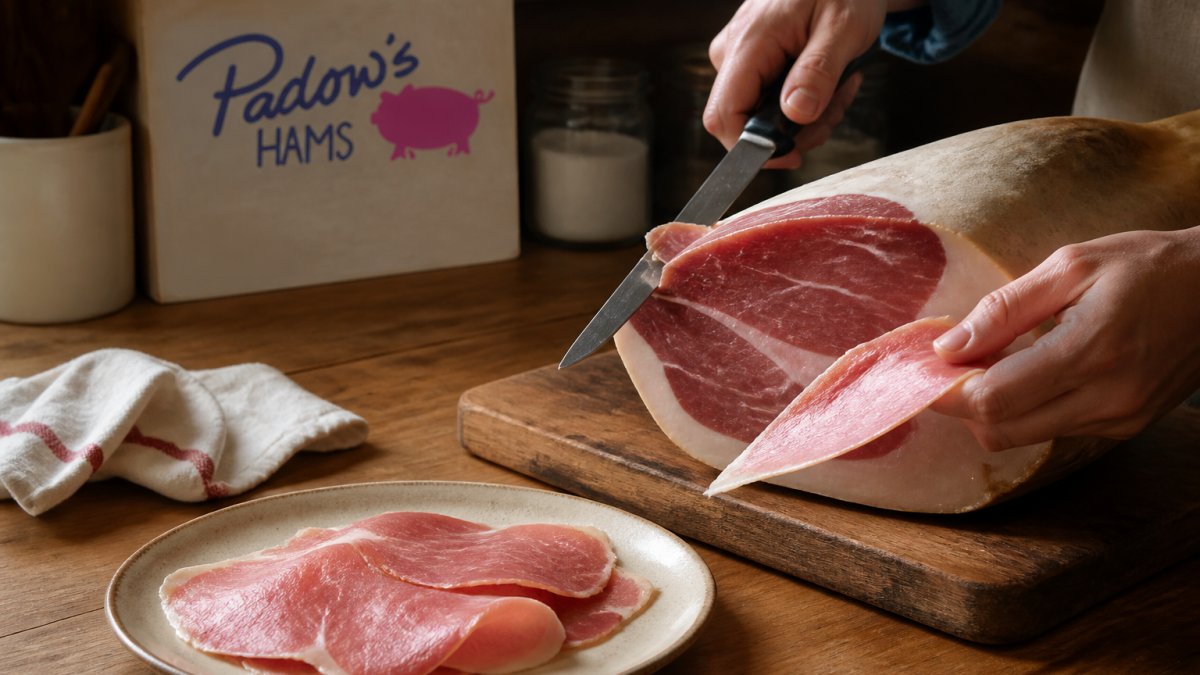
- Rest 30 minutes before carving
Expected result: A glossy, deep amber exterior and slices that hold together cleanly.
If that sounds like a lot, it's because we're being thorough. Most of those steps take minutes of actual work.
Thanksgiving Ham Glaze Ideas That Complement Cured Flavor
The right Thanksgiving ham glaze does one job: it balances salt without burying the cure. Skip anything that tastes like candy.
Best matches for cured ham:
- Brown sugar and mustard. Classic, reliable, and hard to ruin
- Maple and black pepper. Sweet up front, heat at the finish
- Apple cider and cloves. Fruity and warm, very fall
- Honey and orange zest. Bright and simple
- Bourbon and molasses. Bold, for a ham with real depth
Apply glaze in the last 20 to 30 minutes of baking. Earlier than that and the sugars scorch.
Sides, Storage, and Leftover Ideas
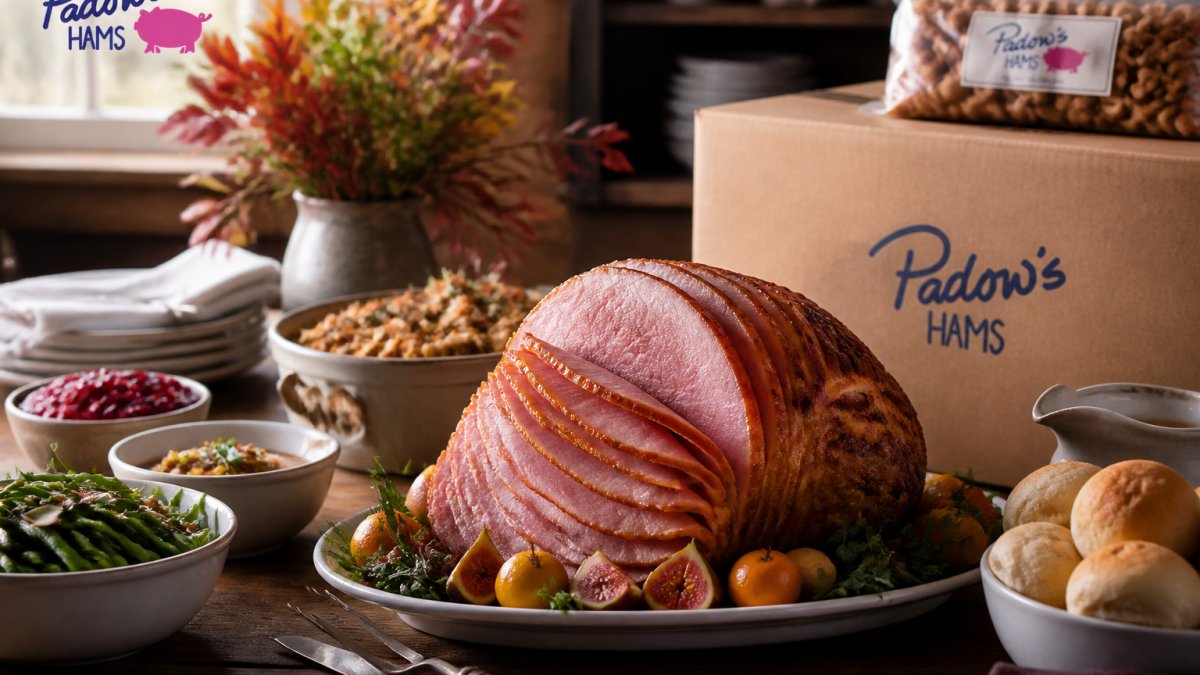
Cured ham plays well with the traditional Thanksgiving spread. Serve it with:
- Buttered rolls and biscuits
- Roasted sweet potatoes
- Green beans with bacon
- Corn pudding
- Cranberry sauce, which cuts the salt nicely
Storage: Wrap leftover ham tightly and refrigerate up to five days. Freeze slices in portions for up to two months.
Leftovers worth planning for:
- Ham biscuits for the next morning
- Diced ham in collards or bean soup
- Ham and eggs, obviously
- Thin slices on a warm sandwich with mustard
A ham this size is really two meals, and the second one is often better than the first.
Conclusion: Make This Thanksgiving One to Remember
Hosting Thanksgiving means juggling a dozen dishes and hoping the centerpiece works. A cured ham takes that gamble off the table.
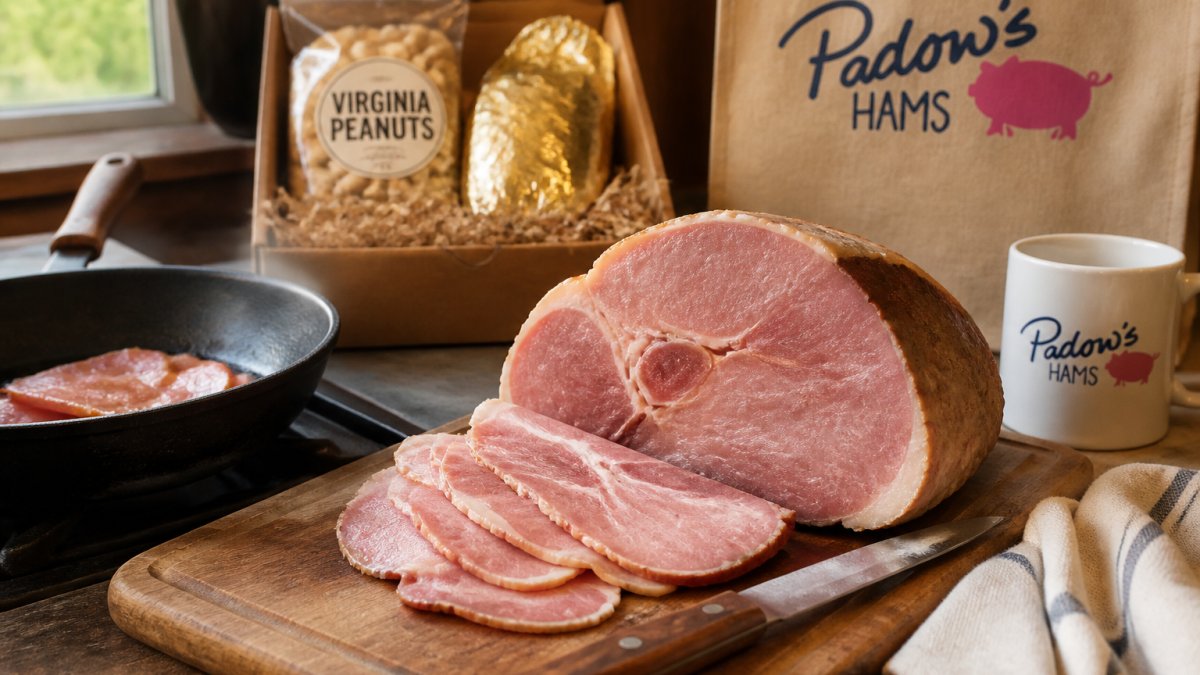
Padow's Hams Co. has been shipping handcrafted Virginia country hams since 1936, cured for three months and delivered nationwide. We also carry Virginia peanuts and gift boxes if you're putting together something for clients or hosts.
Shop now at Padow's Hams Co. and give your table a centerpiece worth carving.
Frequently Asked Questions
What kind of ham is best for Thanksgiving?
A cured ham, especially a country ham cured with the traditional Virginia salt method, delivers the deepest flavor for a holiday centerpiece. Cured hams are salt-cured over months, giving them a rich, savory profile that pairs beautifully with Thanksgiving sides. If you want a milder taste, a lightly smoked cured ham works well too. The key is choosing a ham that has been properly aged rather than a mass-produced option, so the flavor stands up to the rest of the meal.
Is cured or uncured ham better for Thanksgiving?
Cured ham is the better choice for Thanksgiving if you want a bold, traditional flavor. Curing uses salt and time to develop deep savory notes and a firmer texture. Uncured ham is simply fresh pork that has not been salt-cured, so it tastes milder and more like roast pork. For a holiday feast where the ham is the star, cured ham offers the complexity and richness guests expect. Uncured works if your family prefers a gentler flavor.
How much ham should I serve per person at Thanksgiving?
Plan for 1/2 to 3/4 pound of bone-in ham per person, or 1/3 to 1/2 pound of boneless ham per person. For a typical gathering of 12 guests, a 7 to 9 pound bone-in ham gives you enough for dinner plus some leftovers. If you want extra for sandwiches the next day, go with the higher end of that range. Country hams are very flavorful, so a little goes a long way.
How do you prepare country ham for a holiday meal?
Country ham preparation starts with soaking the ham in cold water for 12 to 24 hours to reduce saltiness, then scrubbing off any mold or pepper coating. Next, simmer it in fresh water for about 20 minutes per pound, then bake at 325°F until the internal temperature reaches 160°F. Let it rest for 30 minutes before carving. Many hosts add a glaze during the last 30 minutes of baking for extra shine and sweetness.